


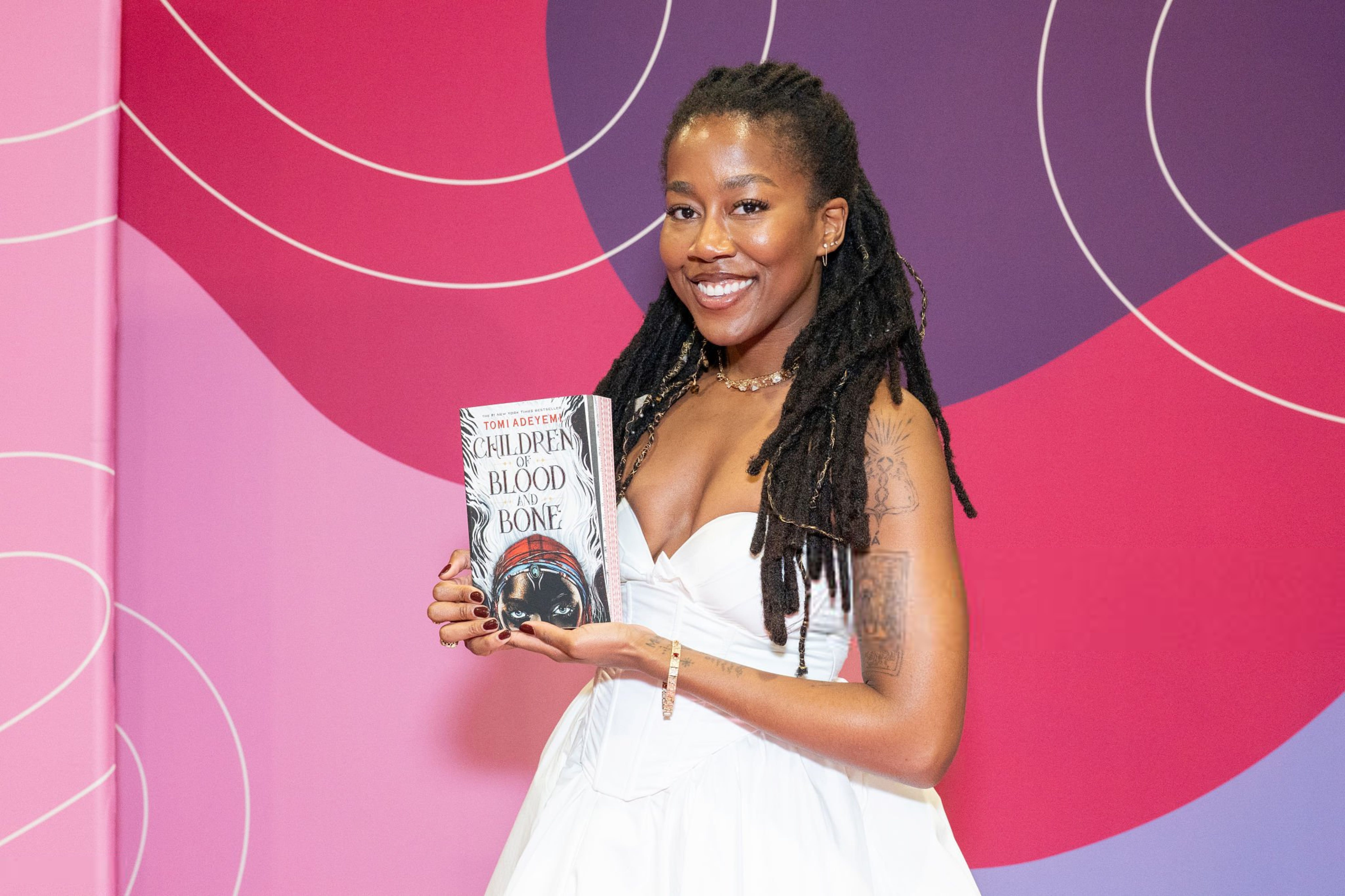
There are many problems with Tomi Adeyemi’s comments on the direction of the movie adaptation of her book, Children of Blood and Bone. But chief among them is that it is unproductive and self-serving.
“There is a reason I will not post anything about the adaptation of my work. That’s all,” Adeyemi posted. “And lastly, since someone asked – I have not seen the film, and I will not watch it… It’s been painful holding this back from you all. … And sorry if any of you thought I didn’t care. I will always care more about us than any glitter.”
She also posted a screenshot of a text to the actress Amandla Stenberg, who is in the film, telling her, “Do not ever use my name in an interview or video again. Do not text me. Do not call me.”
In 2022, Paramount bought the rights to the Legacy of Orïsha trilogy, of which Children of Blood and Bone is only the first to be adapted. Adeyemi opted to co-write with Gina Prince-Bythewood, who also directed The Woman King and The Old Guard. Prince-Bythewood comes with more than two decades of experience making movies, including writing scripts and directing. Her experience far outpaces Adeyemi’s, and for me, this was the first problem. Adeyemi should not have had a creative role that far exceeded her experience making films.
Actors, producers, and other creatives working on a film occasionally contribute to the finished script that goes into production. In which case, any other context that Adeyemi might have brought to the production of the script could have been considered. Even in a writer’s room, though multiple people work on the script, the head writer is the one who decides what makes the final draft. Ultimately, it is the vision of one person that becomes the final product, typically the most experienced one or the one more trusted by the corporate body financing the project.
As someone who has spent the last few years of my professional life leading creative teams, one of the people I hate working with the most, just after leaders with no clear vision, is the contributor too precious about their own vision for the work that they miss the point of making that type of creative work in the first place. I have come to find the argument that professional creative environments are not democracies to be a perfect mindset to have. It is good for you to stay the course and not be swayed by ideas that pull you off course, but it is even better for the team that joins you on the journey to stay grounded in what they are working on.

In the past few years, I have been more unabashed about this perspective when speaking to younger, less experienced creatives about how corporate environments work, even when they are supposed to be creative and collaborative. Corporate environments are not made to be quiet places where you create the way writing a young adult novel might be. They are not optimised for self-indulgence, especially for a big-budget project like Children of Blood and Bone, which is being shot on IMAX just like The Odyssey. So much more is at stake for the company.
The work that you will create in these environments will not be a pet project that will fit into every single mould you want it to. If you have come on a project like this or joined the company because you have ideas of the kind of product you want to work on, with the hope you will make them there, then you’re already losing the plot. You don’t go to Disney to make Euphoria and then be offended that Disney wants to turn it into Hannah Montana-lite.
These companies already have their vision, they have goals, and they have audiences they want to cater to. The expectation of bringing you on board is that you will pull them closer to their goals. You set yourself up to not just fail but be an unproductive stumbling block for the company if you wage war against the vision its leaders have for it.
Even though Adeyemi has not spoken specifically about what her disagreement with the production is, she has done worse than if she had said what happened by leaving it to sleuths on the internet. The screenshot of her chat with Stenberg in particular is abhorrent. By bringing the matter to the public while denying the public the ability to weigh the facts, Adeyemi is already making her point in bad faith. Stenberg has been attacked by fans of the book who say she is fairer-skinned than the character Adeyemi describes.
But Adeyemi has previously touted her anger toward the backlash Stenberg received for playing Rue in The Hunger Games as a motivation for writing her first book.
“I’m the kind of person who gets motivated by anger, so I was like, ‘Oh man, I’m going to write a story that’s so good and so Black that everyone’s going to have to read it even if you’re racist.’ That became my writing mission,” she told Entertainment Weekly. Self-serving actions like this throw Stenberg further to the wolves, already looking for a reason to cannibalise her.
Good faith would have demanded that Adeyemi actually make public what happened rather than open her to renewed attacks. Adeyemi’s comment, “Sorry if any of you thought I didn’t care. I will always care more about us than any glitter,” seemingly without context of what happened with the actress and production, sanctions the attack that Stenberg and the team have faced from fans.
But the overarching problem here is that Adeyemi’s actions risk making the film, which has a $200 million budget, unsuccessful. It is callous and selfish and ignores the many Black creatives who saw the project as an opportunity to elevate their work on the global stage.
It is one thing for offended fans to call for a boycott of a creative project over a casting decision they didn’t like. It is something else for the writer to seemingly sanction it. “At this point, if you want to support me, you can purchase any edition of the trilogy at a local independent children’s bookstore,” Adeyemi wrote, even after making claims that could lead one to question the moral standing of the many Black creatives and other people of colour who worked in the film, many of whom are independent.
I guess it’s par for the course.
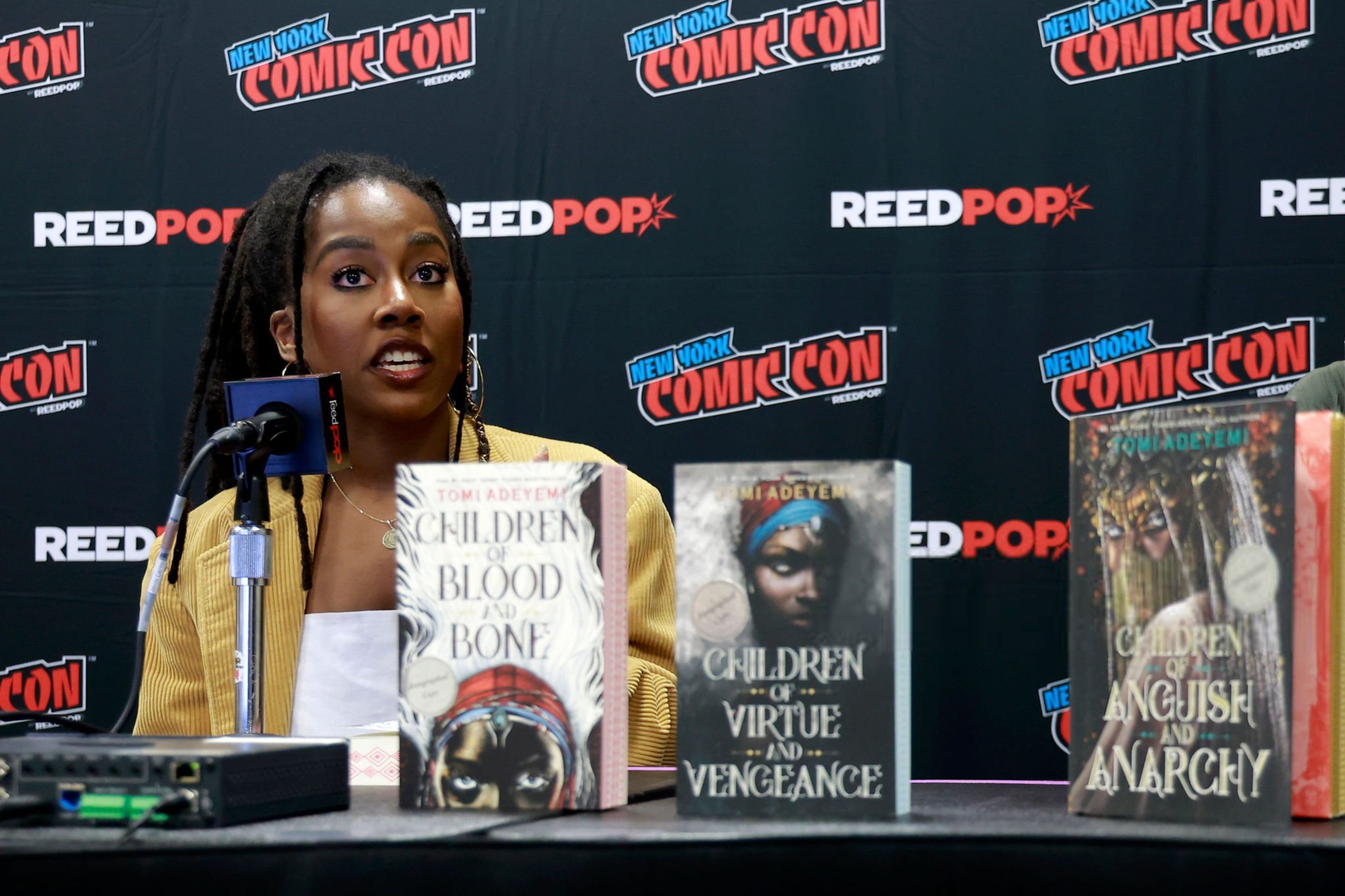

As an EP and writer on the project Tomi does have a dog in the fight beyond ego (it seems). There's simply not enough being said right now to make any definitive statements. Rather than leaping to its being done in "bad faith" why not consider is it that bad? How bad must it be for her to not even want to see the final film yet alone promote it? How bad must it be that she couldn't care less about the checks? How bad must it be that *the* goal of a book to film adaptation is now being so thoroughly discarded?
The argument presented here is pro business as usual and just... no. No to corporate entities squeezing the life force out of everything they touch. No to artists constantly having their true visions and intentions ripped away for profit. No. And based on Tomi's thread post this week, that's exactly what she's saying: no more.
So let us be patient and see what actually does come out before immediately jumping to (once again) throwing Black women to the corporate wolves for the simple crime of expressing autonomy.
And the book was sooo 😑. Who eats jollof with okra?