


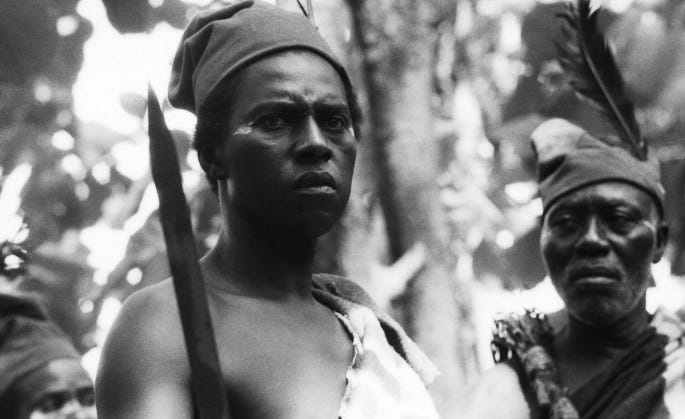
In Chinua Achebe’s Things Fall Apart, Okonkwo grew up with what one might describe today as an absentee father. His father, Unoka, was very much available and in his life. But after he failed to take up responsibility, protect and provide for his household, he became a pariah in his society. Okonkwo and his siblings and their mothers ultimately had to work extra hard. His father left him no titles and no land.
Okonkwo grew up with a vengeance. He was going to be anything but his father — in the Igbo society that Achebe sets the classic, a real man. He got into the apprenticeship trade, where he worked harder than everyone in his set. Ultimately, he graduated and established himself as a wealthy man. When it was time for him to find a wife, all the ladies flocked to him.
There are some who would say that Okonkwo was not the perfect father or husband. He lost his temper frequently; he overcompensated for his father’s ineptitude. However, both critics and lovers of his continue to this day to romanticise his life as the perfect representation of what it means to live a good life as a father.
This is only so because in all that he did, Okonkwo never left his gates unguarded, never failed to man his door. He never left his family dry, turning inward to wage war on them. In a way, he loved them in the best way that he could and in the way that they would most appreciate: by providing and protecting them. It is an act of love.
It is also why we continue to turn to him for guidance whenever we run into doubt about the roles of men in society and the usefulness of those roles.
Across societies, these qualities remain the same.
Cornelius Vanderbilt, the American magnate, was born to farmers. At 11, he got a job ferrying passengers between Staten Island and Manhattan. Ultimately, he became one of the greatest industrialists of his time.
In the 21st century, we live in a vastly different society. A lot about how we function and operate seems to have changed. Men and women are capable of being providers and defenders of their societies, in large part because defence and provision have migrated from sword fights and hard-working farmers — even though these remain in society — to money. Money is something both men and women are capable of acquiring, and so they can both be providers and protectors.
For some, this is evidence that the mandate that all men should provide and protect their families has eroded and become a thing of the past. But that is far from true. According to a Pew Research Centre survey, 71% of adults say it’s very important for a man to be able to support a family financially if he is a good husband or partner.
Upon closer examination, the way we fall in love and build a family, the qualities of attraction, have remained the same - offering provision and protection.
It is here that the argument of what a woman brings to the table is completely defeated. Not only because men looking for women to provide and protect them, even in a 50/50 split situation, can be very unattractive in society, but it’s also the kind of behaviour that society has historically frowned on, like Unoka.
The story of any of the great men that we read a lot about today could have been very different — from Okonkwo to Vanderbilt, King Henry III, or even Julius Caesar. They could have abandoned their duties to provide and protect and turned to their wives on the battlefield to demand of them what they have brought to the table. But then, the probability of historians scorning them at their graves would have skyrocketed.
If we bring this to the modern debate around gender, it continues to hold water. There are many people on the internet who engage in all kinds of fights, some with good intentions, some not so much. But audiences looking for meaning continue to gravitate to the men who focus on providing and protecting around their commentary on the gender discourse.

Flagran Podcast co-host, Andrew Schulz, for instance, is perhaps one of the most garrulous of the podcast bros out there. He talks a lot about gender and has said things that some feminists disagreed with. But what makes him remain attractive to women and inspiring to men is that he retains the ethos of masculinity as a provider and protector. This is not always the case, especially in the age of 50/50. Some podcast bros who hold court with women and say the cruellest things about how they don’t deserve protection and provision remain the most unattractive to women and uninspiring to young men.
My thought on the 50/50 debate is that individual couples typically decide how they navigate their finances anyway. It is why the debate always dovetails into the punching down that we see, furthering the bad PR about men. You see, those debates are less an indictment of women not wanting to contribute their quotas, as it were, and more about men defending reasons to abdicate their duties and responsibilities to their families.
I once saw a scene, perhaps the most embarrassing in the life of any husband or leader of a family. One of their tyres was flat, and they needed to change it. I’m not sure what their dynamic is, but that they are a family, I am very sure of. I remember the wife working hard on the tyre, trying to fix it, while the husband barked commands. Later, he focused on keeping traffic away from the car while she continued fixing the tyre.
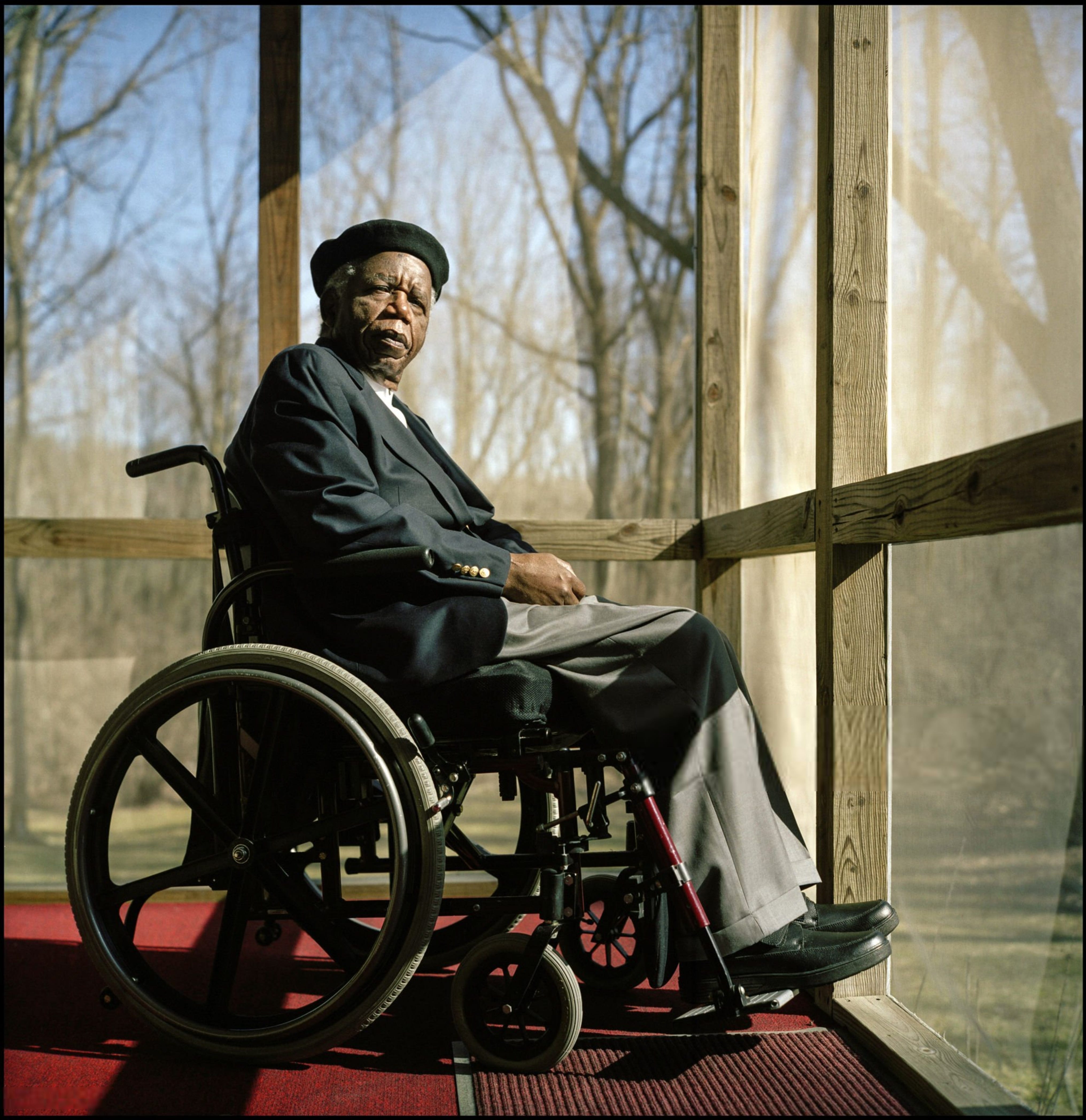
When we open conversations with what a woman brings to the table, that is what most people see. Those are not the men history looks back on with pride.
FOOTNOTE: This essay is part of the Afro Adulting The Life You Want issue. Also read other essays from the issue below:

