


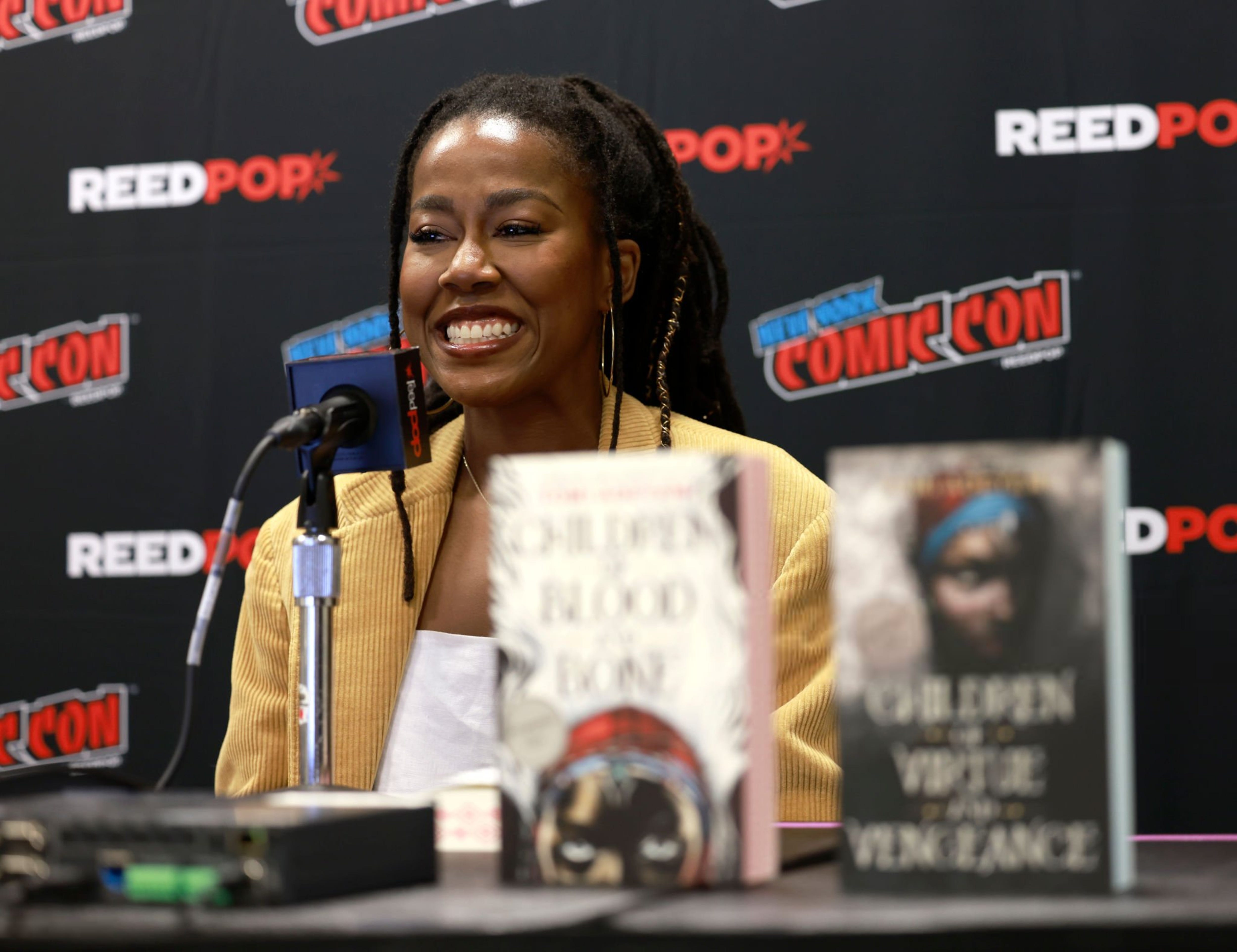
The author of Children of Blood and Bone, Tomi Adeyemi, has released another video in which she says she had a bad experience with the production of the film adaptation and will not watch it. For her, increasingly, it seems like a zero-sum game where the film's failure is a noble outcome.
This new video is particularly suspicious because it comes just hours after the trailer was well received. Even though Adeyemi says in this new video that it will be her last comment on the matter, I doubt that will be the case.
What she is trying to do, it seems, is less about unburdening herself of what she describes as a “painful” experience and more about rallying the troops not to watch the film.
Some have rallied behind her on the premise that she is a Black creative in pain. That is a silly premise for many reasons, chief among them being that the group she is disparaging with these videos is mostly Black women and other people of colour who worked on the project and saw her as a colleague.
In this new video, she does not offer any real substance on what actually happened. But I think there are still important portions of her comments worth looking at.

“Everyone involved, at least at the highest level, has been made aware of this reality and they haven’t done anything to make it better.”
This is the first comment that struck me. Considering she has been working in bad faith, disparaging the production, why would she want them to reach out to her again? These are people who, based on what she has implied, must be really awful. Why then does she want to work with them and mend this relationship with people of such ilk?
With this, she paints her initial public comments on the matter as nothing more than a power move to get the executives at Paramount to reach out to her and offer some kind of incentive that will excite her. It’s a juvenile approach, considering she still has not told us what happened. Negotiating in public already makes her look silly when she could get a better deal in private.
“I am not going to speak about what I endured to make it through the young adult trilogy, and I am not going to speak about everything that I also suffered through or endured to make the adaptation a reality. I am actually only going to speak about what happened after I left that set of my own film adaptation, hyperventilating and sobbing.”
This is another portion of her video that I also found to be striking and strange. First of all, she doesn’t go on to tell us what happened after she left the set that left her “sobbing” and “hyperventilating” in the video. However, it reveals where her problem is coming from. Adeyemi expected this to be her film. She wanted to be some kind of showrunner. She called it her “own film adaptation.”
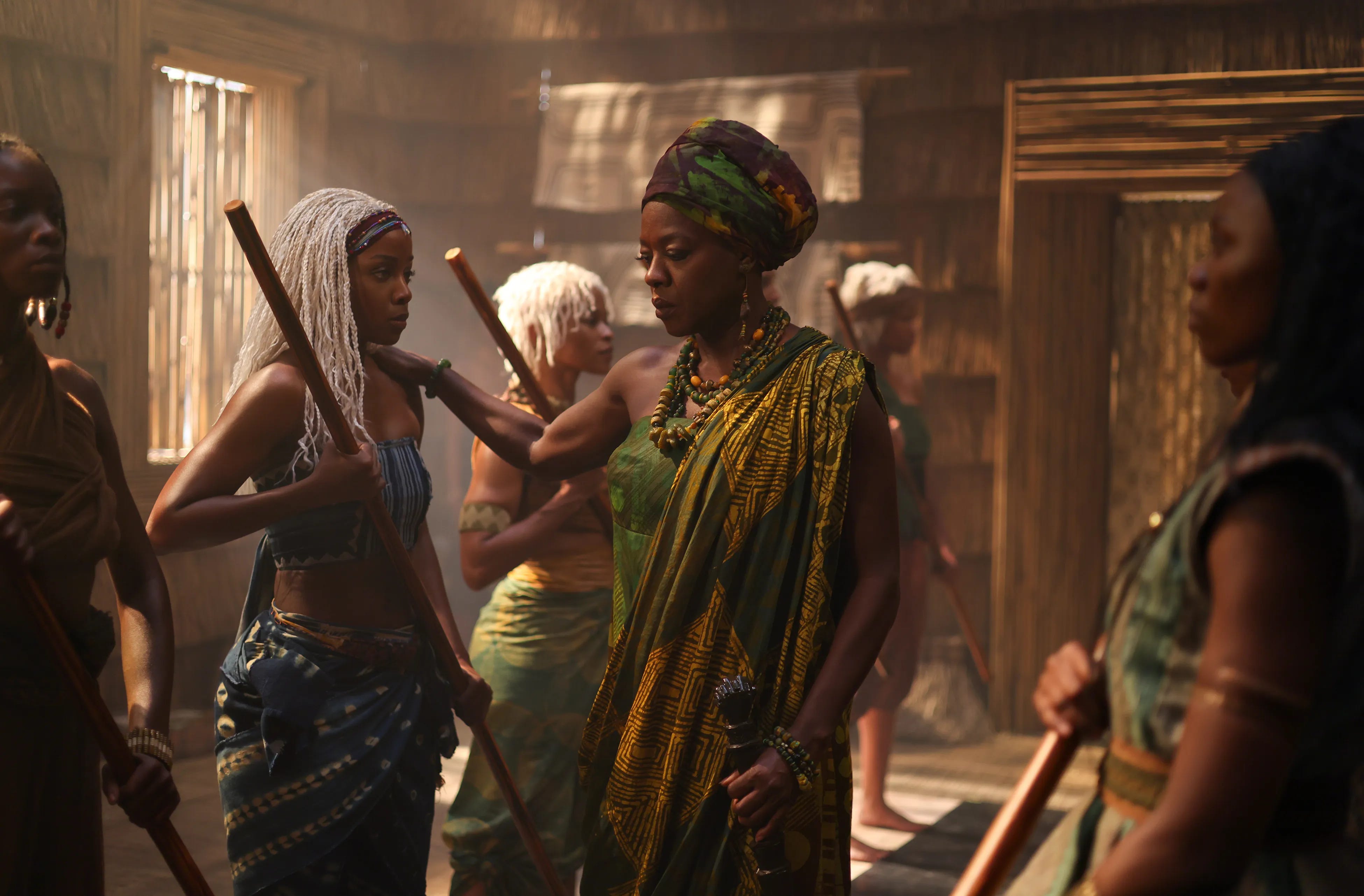
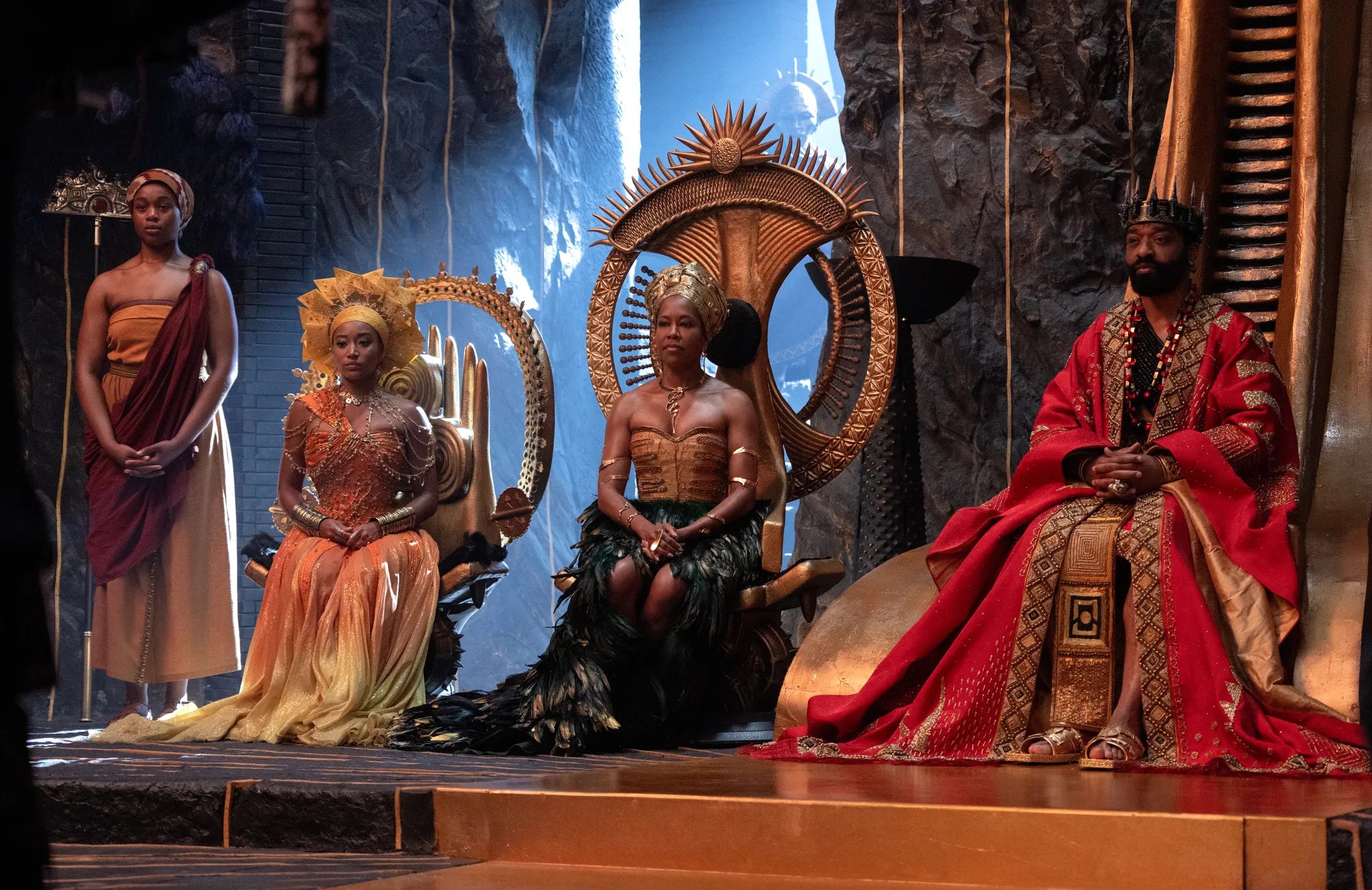
But it really isn’t hers. It’s Paramount that is making a film and has hired her to work on its project, a decision that it also could have decided not to make. I found that comment to be strangely naive: that she would think she had clout on a set with Viola Davis, Regina King, and Gina Prince-Bythewood, the director who also made The Old Guard and The Woman King. There is just too much experience on set for her to even consider having control over a project that she doesn’t even come close to owning.
I once had this experience with a creative who didn’t recognise that the work did not belong to them. They had excessive demands that their team had not raised and so were not discussed at the onset. After long conversations with their team, when I let them know we had the oversight, I eventually decided to can the project, but only because I had very little hope in it and didn’t find the public drama that could ensue worth it.
It is not public what Adeyemi was paid to be a co-writer for the film, but multiple industry people have said it was well above market rate. The budget of the film is also over $200 million. I only bring this up because it is important to understand how the industry works. Paramount is not a creator-centred studio. It’s a juggernaut that is in the process of buying HBO. Its goal is to make money for its shareholders. There are creator-centred studios in Hollywood that would have loved to buy the rights to the book and give Adeyemi as much creative control as she would have wanted.
The problem with that arrangement is that her payday would not even have come close to what it was with Paramount. The budget of the film would have been next to nothing, and this all-star cast would not have been in it. If preserving the integrity of the source material was a priority for Adeyemi, then she could have instead gone to one of those studios and worked with them on the minimal budget and produced the self-indulgent project that they typically make. I must add, many of them turn out to be equally as good while maintaining the artist’s indulgence.
I also want to speak about who ultimately owns the art, especially a book like Adeyemi’s. Good art becomes public property. The artist has to recognise that the art will take on a life of its own, beyond their control, and make peace with this.
Those who choose to restrict the path the art decides to take are on a futile journey. We all went to see The Odyssey or are planning to. As beautiful as Christopher Nolan’s adaptation is, this is not by any metric what Homer had intended. And this is the case for almost every adaptation that has gone on to become a cult classic, from Lord of the Rings to Game of Thrones. Art should definitely be treated with care and preserved. But the beauty of this care and preservation is in the original format and not the other forms it will take. That is how art can be enjoyed.
If Adeyemi eventually goes public with what happened and this has nothing to do with a physical assault she experienced on set or from someone working in production and is only just a creative difference, as many, including myself, have implied it is, then it would all have been a sore waste of our time.

Hmm… I’ve always been curious about what really happens behind the scenes when a book is adapted into a movie. This article answered a lot of those questions.
One thing I’m wondering, though: had Tomi Adeyemi spoken to authors whose books have already been adapted for film? If she had, she might have gone into the process with different expectations.
From what I’ve seen, creative control and bigger payouts often exist on opposite ends of the negotiation. The more control an author wants to retain, the less studios are typically willing to pay, and vice versa. It’s a tough trade-off.
Was it John Updike who said that he would run to the California border, throw his novel into Hollywood, grab the check, and then run back home? I have worked in Hollywood for decades. I’ve only optioned one of my novels after many years of refusing the offers. I wrote many drafts of the screenplay for my YA novel but couldn’t get them to green light it. Then they hired a white screenwriter whose draft was so heavy with Native American cliché that verged on parody. The producers loved it. I dreaded them actually filming that script. But then Covid hit, killed the project, and saved me. As an author getting your book adapated the best outcome is a good movie. The second-best outcome is no movie at all.