


Hello,
My name is Dennis Da-ala Mirilla, and there is a question I have been thinking about for months now, and I want you to consider it for a minute: What comes to mind when you think of “Nigerian men?”
If you’re receiving this email, then I’ve either sent you an email before or received one from you, or I have you on my WhatsApp. Or even better, you’re one of the people who’ve come across this newsletter in the past and decided to subscribe.
When I started Afro Adulting on Substack, I wasn’t sure of the path that I had laid before me. But I knew the destination was a place for adult Nigerians to commune together. In the past few months, that path has never been clearer.
But first, let me tell you a bit about myself, my career, and how I got here.
I studied English Literature at university, both at the undergraduate and master’s levels. I wasn’t quite sure what I wanted to do with my degree, but as I wound down from undergraduate study in 2017, I stumbled upon an interview in the American men’s magazine GQ with Mahershala Ali, who had won the Oscars for his role in Moonlight.
“I think I identify with characters who have to make themselves smaller… because that’s been my experience, as a large black man, to make people feel safer. Just because I always found… witnessing other people’s discomfort made me uncomfortable. And at the end of the day, it’s a lot of b.s., too. Sometimes you gotta be like, ‘Eff that,’” Mahershala said in the interview.
Never have I ever been so seen. It’s a wonder I grew up to become a measly 5’11 guy. Growing up, I was mostly the tallest guy in class, among my peers, that years later, when everybody grew taller than me, towering over six feet, I still imagined I was still the tallest.
But reading Mahershala say that made me realise how alone I had been, and also how ordinary and normal my life was. The experience I had as the tall kid was the experience many tall kids also had.
So I buried myself on the internet, jumping from website to website, looking for meaning. I found a community of writers, scavenging their every life experience to make arguments, to tell stories, to show their readers how alike we are.
But that experience also ignited in me the idea that I could make a living as a journalist, writing for magazines.
Since I left school, I have worked as a writer and, more recently, an editor at newspapers, magazines, and websites like The Guardian, Pulse Nigeria, BellaNaija, and Zikoko. It’s been a whirlwind choosing that life and making something out of it for myself. Data say that less than 20% of full-time writers make their living primarily from their writing.
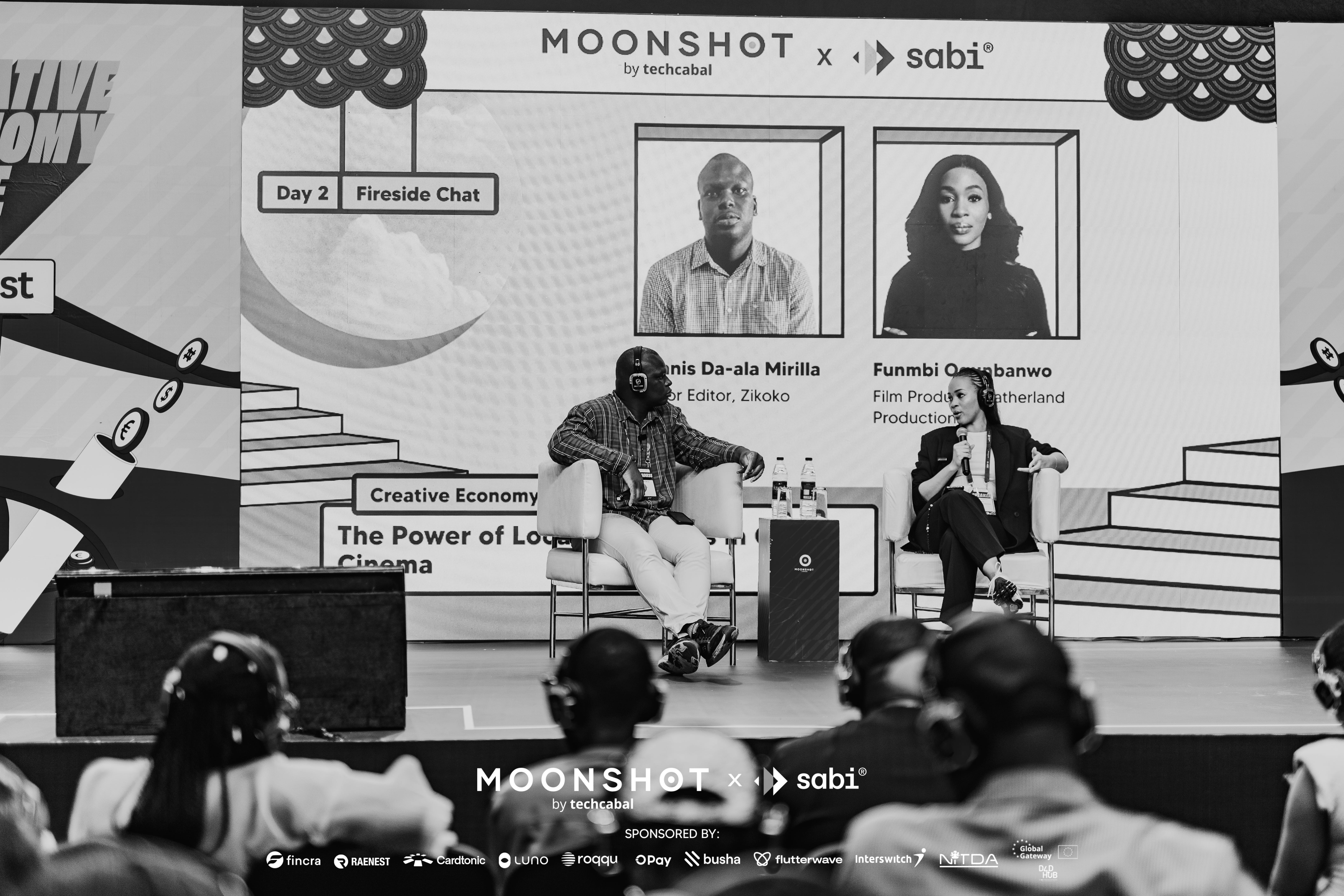
In the past few months, thinking about the future of Afro Adulting, I’ve been resuscitating that undergraduate version of myself — in my scrappy hostel, looking for guidance on the internet. If I had not found that interview in GQ, what would my life have looked like?
There’s a lot of data about the state of men in the West — the rise in suicide, loneliness, divorce, addiction, violence. There’s almost no data about the state of Nigerian men. But we don’t need data to know that the trends in the West are not so dissimilar to what’s happening here. All you need to do is ask yourself again: What comes to mind when you think of “Nigerian men?”
To say that young Nigerian men are struggling in a society that has increasingly told us that empathy and kindness are for the foolish is an understatement. Observing my father and his friends, and the men that hung around him and the lives that they led is all the convincing I need.
Bad actors who saw this as an opportunity have offered themselves to young men as role models, coaxing them to pay for masculinity universities and crypto webinars where they are told women have taken their jobs and left their kitchens, and that they have to subdue women again to somehow become men.
We know what that resulted in. Their methods, even for the most well-intentioned, were uninformed and so unproductive, in large part because they were not tackling the issues, but rather trying to win “gender war” debates that started in primary school.
I remember when in primary five we had the debate, “Men are better than Women.” This was a real academic debate that we had to contribute to. When the guy who was the lead debater on the men’s side said, “Women could become architects, but I have never seen a woman roofing a building,” all the boys leapt to their feet in cheers. It was my teacher who had told him that line.
Of what use is a debate like “men are better than women” other than to seed hatred?
What we should ask ourselves is: What are the struggles that young men face, and how can we solve them? Loneliness? Then we need to show men how to pursue mates. Suicide? Then we need to show men that life is worth living. Addiction? Then we need to show men that they can put their time and energy to better use and be addicted to more productive things.
That is what I want Afro Adulting to be about. Not a place for gender wars on how men are better than women, but just offering useful tools to help young men navigate life. The ethos of this newsletter would be honesty and vulnerability, but also guiding us towards productivity.

If you’re in the market for a debate on who should earn more in a marriage, or who cheats more between men and women, or who should do the cooking or care for the kids, then you probably want to check the store next door.
I never find those conversations useful, albeit sometimes illuminating. What I know to be true on the subject is that couples decide those things themselves as a family, and nothing I would have to say here is likely to sway them.
Nigerian men, we need a space to talk — to really talk about what troubles us the most. And by talking, we might begin to show ourselves other ways of doing life that are just as possible.
I want Afro Adulting to be that space — for every man out there.
Every week, I’ll be in your inbox with new stories about men and their lives. We’ll talk about the ordinary man, men in media through movie reviews, album reviews, and book reviews. We’ll look at the factors that shape our lives — immigration, the decline of democracy, the state of the economy. We’ll hear from famous men and older men, and all kinds of men.
A word I’ve been using to think of how Afro Adulting would hit your email is “Issue.” Every week, we’ll have an issue with a theme, and each issue will be a collection of essays and interviews around the theme.
The theme of the first issue is “Offering Help.”
I had hoped to interview someone with knowledge of the subject, but everyone I have reached out to has more or less declined to speak. It has delayed my return to Substack, and I decided to forge ahead with what I thought.
In writing an essay on how to offer help effectively, I turned to the guru on the subject, Edgar Schein. Schein was an American emeritus professor at the MIT Sloan School of Management. In his life, he consulted for some of the biggest executives running the biggest companies. But his 2009 book, Helping: How to Offer, Give, and Receive Help, remains the seminal writing on the subject. That essay will drop tomorrow evening.
I have been working on a review of Akinola Davies Jr.’s My Father’s Shadow, which will close this week.
Please share this newsletter with your friends, with the men that you love or have loved. Share it with your father, your brothers, and your colleagues at work. Share it with any man who has walked this path and is weary. Share it with men who still have many miles left in them. Also, share it with women, too.
I am so excited about this new chapter, and I can’t wait to see all your reactions to it.
Please feel free to drop me an email at afroadulting@gmail.com.
If you have not subscribed yet, please do. For now, it’s the best way to support this work.
Talk soon,
Dennis Da-ala Mirilla.
This is truly amazing. The gender wars are unnecessary, jeez. Kudos to you for doing this.
Looking forward to what you have in mind. thank you for doing this.