


Many years ago, I had a lien on my bank account. I was still early in my corporate career and didn’t understand what was going on. The lien had been on the account for weeks. I was penniless, unable to withdraw my money. I kept calling customer care, and they kept saying they had sent an email and were working on it. Then I asked one of the bank’s reps, “Did you copy your manager in that email?” They told me everyone who needed to be copied was copied. I asked them to connect me to their manager. They told me the manager was “not on seat.” It sounded like what someone might say at a government-run organisation.
But after about a week of insisting on speaking to the manager, one person finally opened up to me and said they couldn’t simply copy their manager on the email. But somehow—I guess my name came up in their meeting—I received a call from the manager. The next day, the lien was lifted from my account.
When I began to ascend the corporate ladder and became a middle manager, I realised how much apprehension around leadership was so widespread and destructive that it had created a corporate culture that was hindering the progress of the company. People loathe ‘disturbing’ their bosses, even when it was their job to disturb the boss.
At a company I once worked for, the key decision-maker was on leave, and we needed to sign a partnership. I remember speaking to the business team for days about this, and everyone stalled until their manager returned from leave. They couldn’t even conceive of texting the person and didn’t want to decide in their absence because they didn’t want to appear as if they had gone behind the person’s back, even if it was their job in that moment to call the shots.
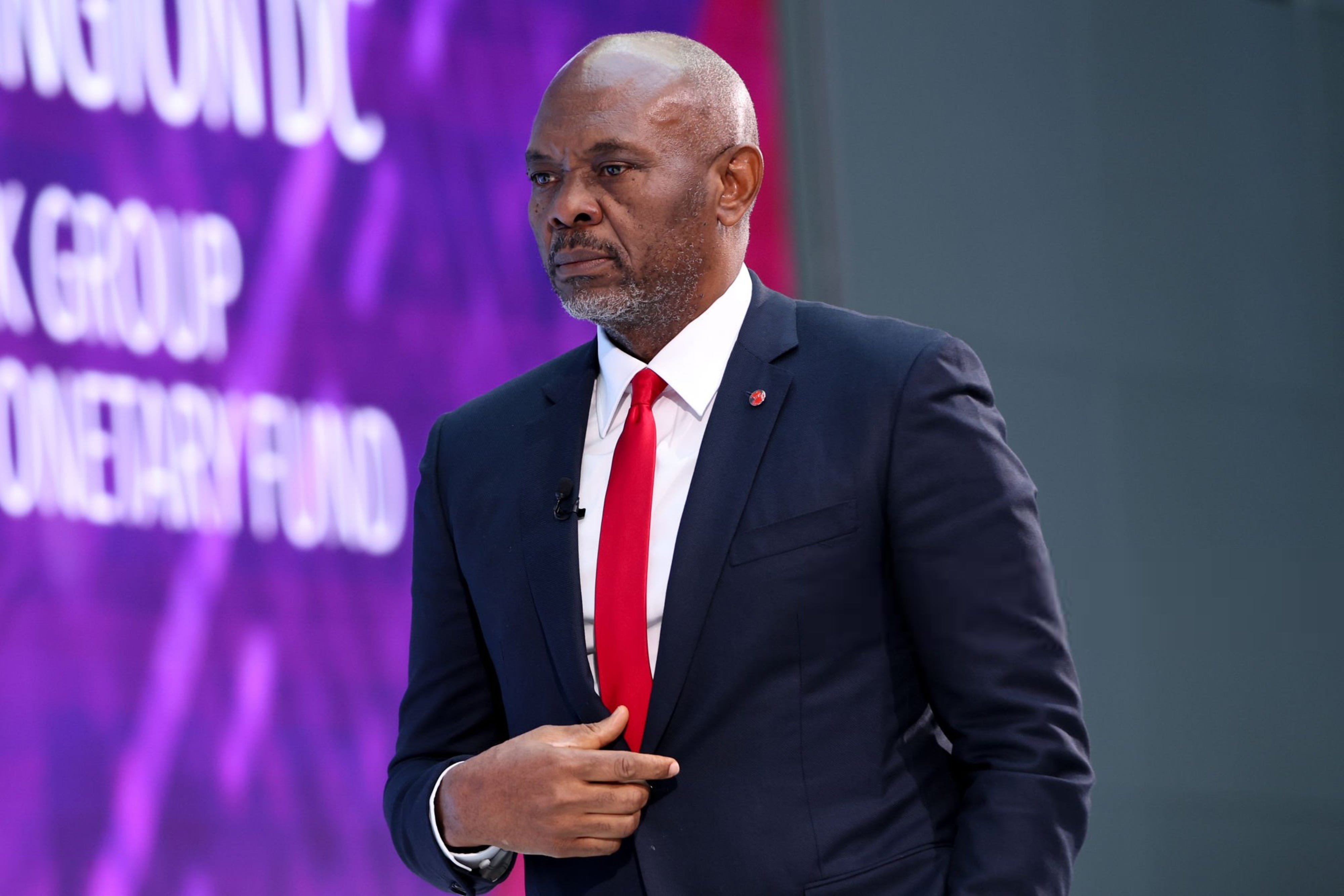
Every day, we see on social media how many business leaders would rather burn their companies to the ground than abandon this corporate culture. It is from this culture that the incident involving Tony Elumelu addressing graduate trainees at UBA emerged. One of the participants, while asking him a question, referred to him by his first name, Tony, even though, according to multiple reports, it is the corporate culture at UBA to refer to people by their first names regardless of position. Here is how the conversation in the clip that has since gone viral went:
Graduate trainee: Good morning, Tony.
Tony Elumelu: Tony? Tony?
Graduate trainee: I said good morning, Tony.
Tony Elumelu: Okay, you won’t call me Tony. I’m not those people. You will call me Mr Elumelu or TOE… or chairman. I don’t subscribe to that kind of oyinbo life, okay.



Let me pose a question to you before we go further: who has a better corporate culture: Nigeria or oyinbo?
Elumelu is well within his rights to say how he wants to be addressed. As someone who has been in hundreds of press junkets, I have had to navigate these kinds of situations. I always ask their team: how does this person like to be addressed? If the person is alone, I ask them. They have never told me their first name was fine. My mindset going into this situation is that I need this person to give me something, so I will focus on that.
These people would rather lose their careers than adopt a first-name corporate culture. A graduate trainee can’t change this structure no matter how hard she tries. But this doesn’t make the experience you might get from the company worthless. It is you who would decide if it is worth it.
But this doesn’t mean that Elumelu is facing unmerited backlash.
Èmi ò kì í ṣe ẹ̀gbẹ́ rẹ. This is the single ideology that has legitimised this culture. A modern loose translation takes it to mean “I am not your mate.” But that is far from what is being communicated when it is used. While age can be a component, it is not only about age. It is about class, corporate hierarchy, salary, gender (after all, he does have her age at home), etc. What is really being communicated with it is closer to “I am not on your level” or “We are not the same.”
Like everything about class, this is also about colonialism and white supremacy. “Mr,” “sir,” and “chairman” are all colonial markers. It was the language Africans were forced to adopt to show reverence to their colonial masters and outline the racial hierarchies of colonial-era West Africa. These are not African forms of honorifics, but they have become part of our culture because they have become the way we occupy the pristine spaces the colonial masters occupied at their peak in Africa. Elumelu, who is 63, grew up in this culture. To him, the right to be addressed this way had been earned. This is why the other viral video of Elumelu at Stanford, where he is referred to as Tony, could pass. Having already been invited to Stanford, he had been ushered into the hollow spaces the colonial masters occupied. The people in that room are on his level.


This idea is beginning to run its course. Elumelu’s comment was not about respect. This is about looking at what kind of behaviour his environment will permit and doubling down on it. As a society, we like to seek out those whom we can bully and get away with and punch down until they completely disappear. The only person that was disrespected in that clip was the graduate trainee, so excited to be speaking to a man her society had told her was worthy of all the respect for no other reason than he had succeeded in business, and was shocked by how far he would stoop to embarrass her.
There is also a pro-backwardness component to Elumelu’s comment, the debate that has ensued, and our refusal to fully come into the modern era as a group. We have cut ourselves off from progress and then made the anti-progress not just fashionable but the default African position on every subject.
Progress is not that thing we do when we run to the internet to make unquantifiable claims and declare them as progress. Progress is tangible, with specific metrics that impact the people whose lives are supposed to progress. If we choose to become global players, we need to recognise that we live in a world with a global culture and can’t continue to embrace the worst aspects of our culture that pull us back.
Elumelu could have used that opportunity to burnish his credentials as a seasoned global leader of the future. What he did instead was double down on an old, ineffective leadership style, announcing to the public that he was indeed a dinosaur.

I like your thoughts on this. However, I think young people also need to understand when and how to apply wisdom to their actions.
Tony Elumelu is obviously a traditional Igbo man, it shows, at least, in the way he speaks and carries himself. So, outrightly calling him by his first name in a public gathering, especially in an organisation where people are just coming in, may not necessarily be a question of confidence or being “Gen Z” it may simply be a lack of social wisdom.
There are different environments, cultures and people, and knowing how to navigate them is part of emotional intelligence.
And this is where I think the argument about double standards gets interesting. It is one thing to insist that an elderly man should be called by his first name; it is another thing to watch a young person call your own father by his first name in your presence and suddenly become offended.
If respect is truly outdated, then it should be outdated across the board, not only when it is convenient for us.
Wisdom is knowing that you can have the right to do something and still choose not to do it because you understand the room you are in.
This is awesome. I feel like we got the same assignment and kinda copied each other though because this is about 85% of what I said in my essay on the matter but it’s great. 😂😂
It’s a class thing for real. We have a class system and our inability to see it for what it is, is quite alarming.
The system affects everything. It’s the reason the civil service with the strictest hierarchical structure in the country doesn’t work. 🤷🏾♀️
It’s why managers treat their team
members badly. It’s why husbands treat their wives badly. It’s why parents treat their children badly.
It’s not just respect… it’s so much worse