


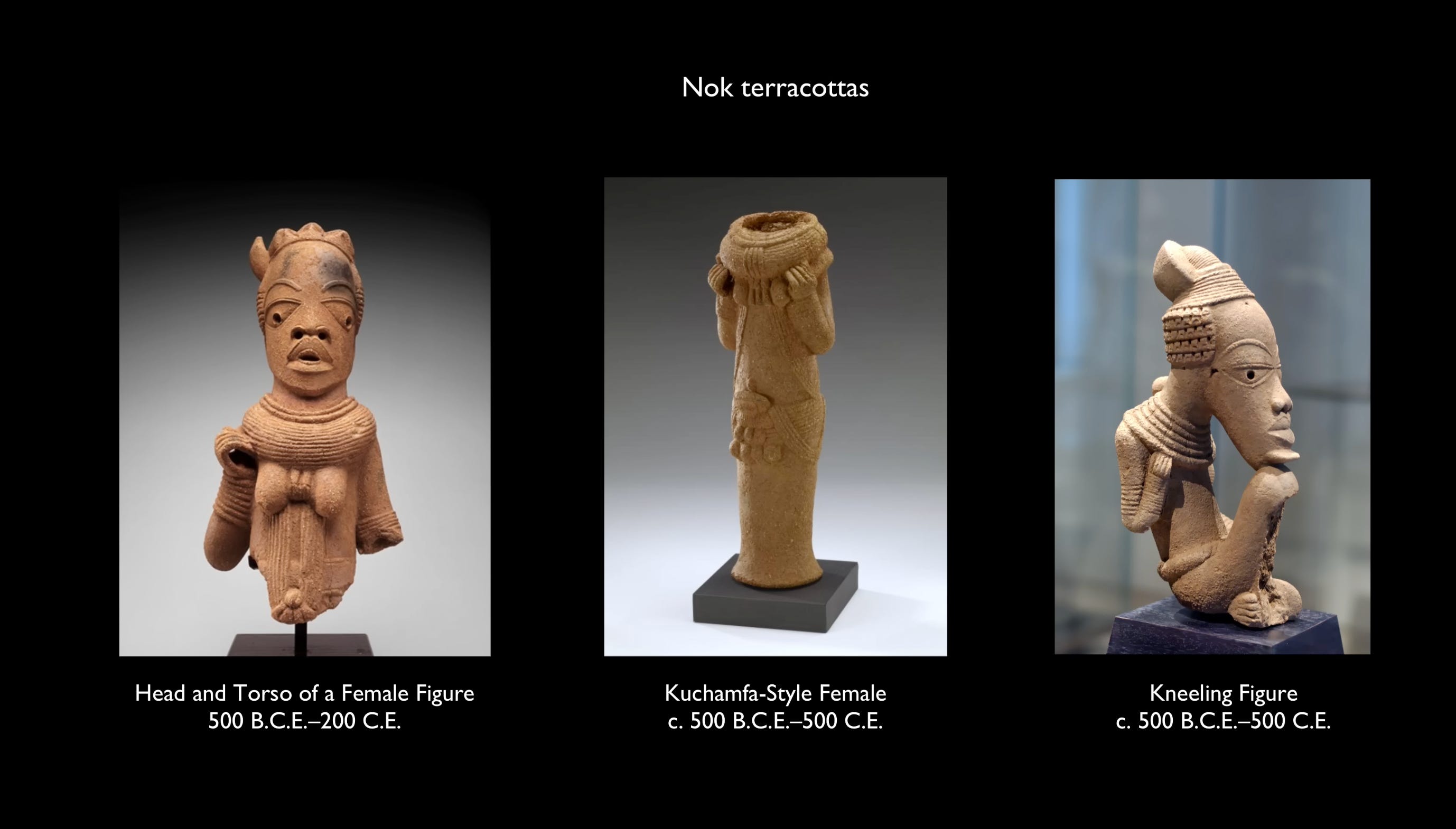
With vestiges of their civilisation spreading across an area over 78,000 square kilometres (30,116 square miles) from what is now modern Nok village in northern Nigeria, several centuries before the common era, around 500 BCE, a community of engineers were hard at work.
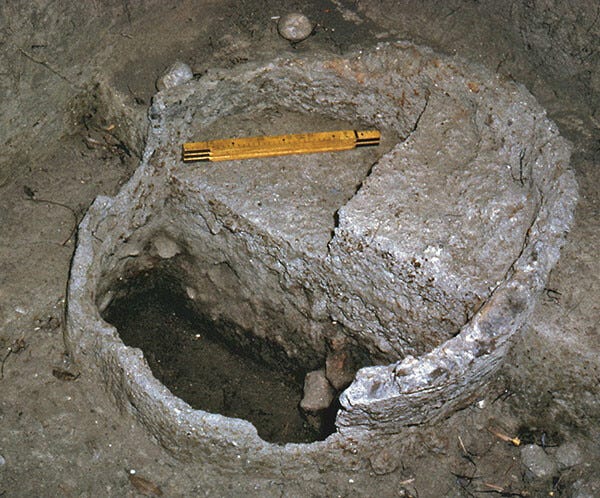
Their fathers before them had stumbled upon iron-rich soils — ferruginous laterite, hematite, goethite/limonite laterites — in their backyard and had erected iron furnaces to beat them to meaning.
They had already become the envy of their neighbours, who travelled for days by foot to buy their shiny handmade iron farm tools, weapons, including spearheads to pierce their enemies. Across the world, man had entered the Iron Age and didn’t see the need to eat from stone, fight with bones, or paint in caves. Smelting bronze and copper — lighter and much easier metals to bend — had taken off, and the Nok people had offered themselves as barons in their burgeoning tech hub.
These iron-rich soils that they burnt were not concentrated in a single Nok backyard. They were spread across the region away from Nok into Taruga and elsewhere. But these inventive engineers knew that if they were to retain power, they needed to create structures that sustained where their furnaces were built and locations where the soil could be dredged.
With strict implementation, they drew out plans that helped them succeed. The patent for their inventions would be a family-guided secret passed only from father to son, securing that only sons born into Nok families would ever know how to smelt iron.
They never overstrained themselves, leaning into the planting seasons even though their work was less seasonal. They had the time to burn iron and the time when they didn’t.
By rejecting the demands of the hustle maximalist ethos, the Nok people were able to man the gates to their iron smelting technology for the next 900 years.
The story that we have been told by modern advocates of corporate optimalism is that we need to expand ourselves, be a sponge and learn as much as we can to be productive. It is by doing this that we can only be our most productive selves.
In his memoir, Who Knew, the American media baron Barry Diller offers being able to be everything for the boss as the most certain way to stay in the job. Riding the wave through corporate America to the top of 20th Century Fox, he said that he leaned on his skills as a people pleaser to become the best assistant his bosses needed. To achieve this, he had to adapt as many skills as possible.
Job descriptions these days seek assistants who can make videos, manage social media, create pitch decks, lead sales direction, conduct SWOT analysis, etc. Sleeping in the office and spending less time with friends and family are badges of honour in some circles.
Perhaps it’s why only a few corporations have been able to last 900 years. The iron smelting engineers of the first millennium BCE would have taken one glance at us and scoffed at how, in the service of upscaling, we have failed to offer long-term productivity — the kind that keeps us going forever.
In a 2022 Gallup poll, a staggering 41% of respondents said they were burned out. Another 50% say they face work-related stress.
These pre-clock engineers excelled at their job because they were able to do it in sustainable ways. They measured their performance by what their fathers did within the same time frame and not by new ambitious 2026 growth goals. By so doing, they were able to strengthen themselves so much that their corporations lasted into their 900th year.
They understood the limits of their bodies and, as Oliver Burkeman put it in Four Thousand Weeks: Time Management for Mortals, they knew that “Time is going to win the battle in the end.”
The core ethos of the productivity of the early Nok smelting engineers was that rest is important if we are going to strengthen ourselves for tomorrow. But also that protecting the sanctity of the work is paramount for optimal performance. That the iron smelters broke their production into seasons was their secret to productivity, meeting the demand of all their neighbours and those who came further to buy the iron work of their hands. It set reasonable expectations for consumers.
To achieve this, they didn’t turn all their homes where they could work into workplaces. They created concentrations where they gathered together and worked, allowing them ample time to recharge, but also making sure they didn’t compete with time.
When the attention of the British archaeologist Bernard Fagg was drawn to Jos in the early 1900s, it was not iron smelting that he was looking for. He had gone to the region for archaeological research. A massive terracotta head in the village of Nok caught his attention. It was the discovery of that ancient terracotta artwork that led him to discover 13 iron furnaces in Taruga.
Carbon dating of the charcoal inside the furnaces revealed that they date as far back as 280 B.C. His research was never complete. After Fagg returned to his country, the region became a cesspool for looters and unlicensed archaeological excavation, setting years of work back, with so far no real way to discover who these Nok engineers were and how they lived their lives.
Almost nothing other than their terracotta and iron work remains of their history. Many experts of the civilisation have concluded that they could only have been a cluster of villages with a high production output.

Ultimately, it was their dedication to sustainable productivity that, to this day, continues to remind the world they existed.
FOOTNOTE: This essay is part of the Afro Adulting Productivity issue. Also read other essays from the issue below:
