


It has been only a few weeks since Nigerians were brutally attacked in a series of xenophobic attacks in South Africa. On Friday, it was reported that two Nigerians, Taiwo Michael Fakunle and James Uchechukwu Nwankwo, died in Kensington, Johannesburg, and Somerset, Cape Town, respectively, in suspicious circumstances. Though their deaths have ignited backlash and calls for investigations, the Nigerian consulate in the country said in a statement that they were “gruesomely murdered.”
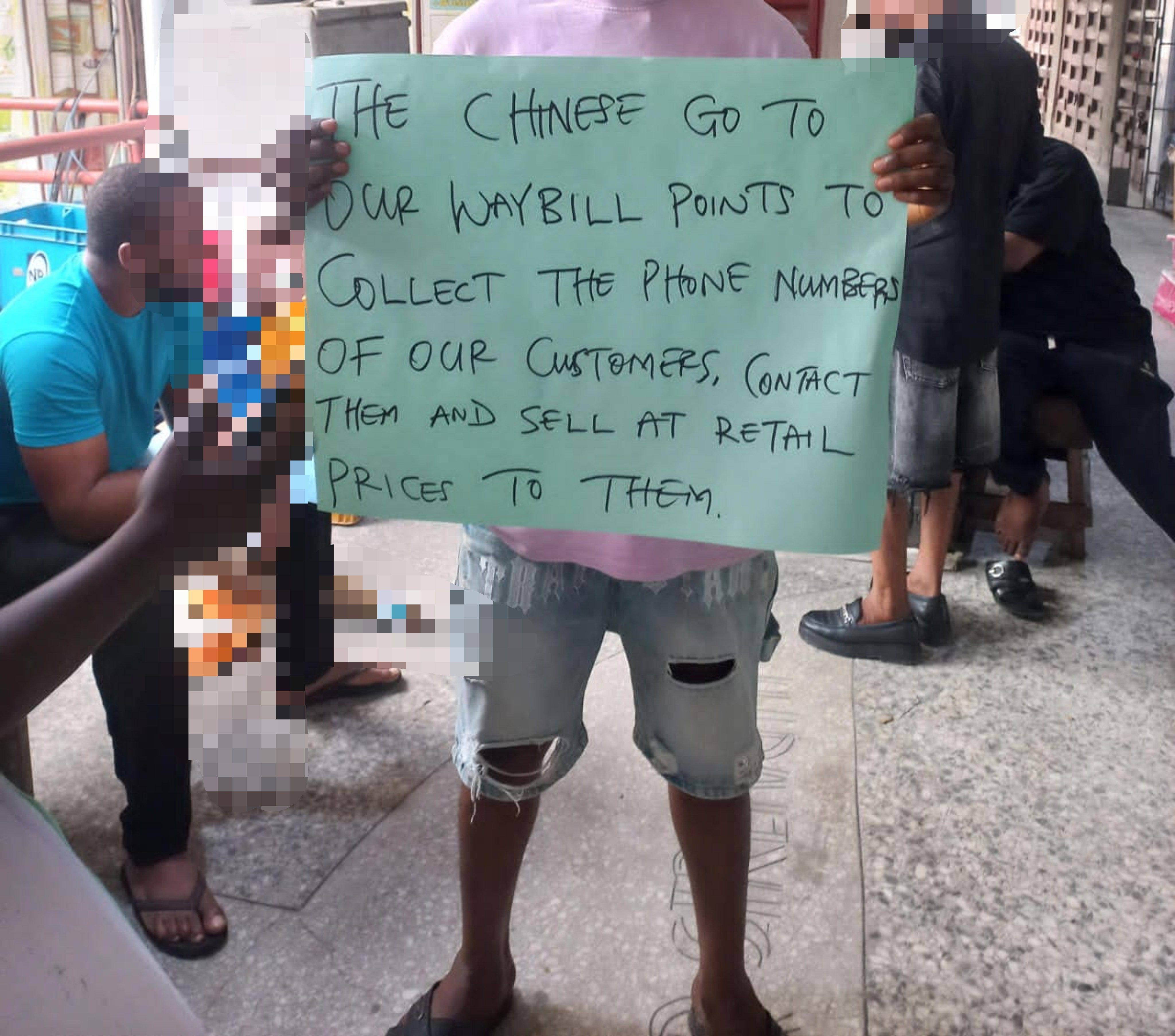
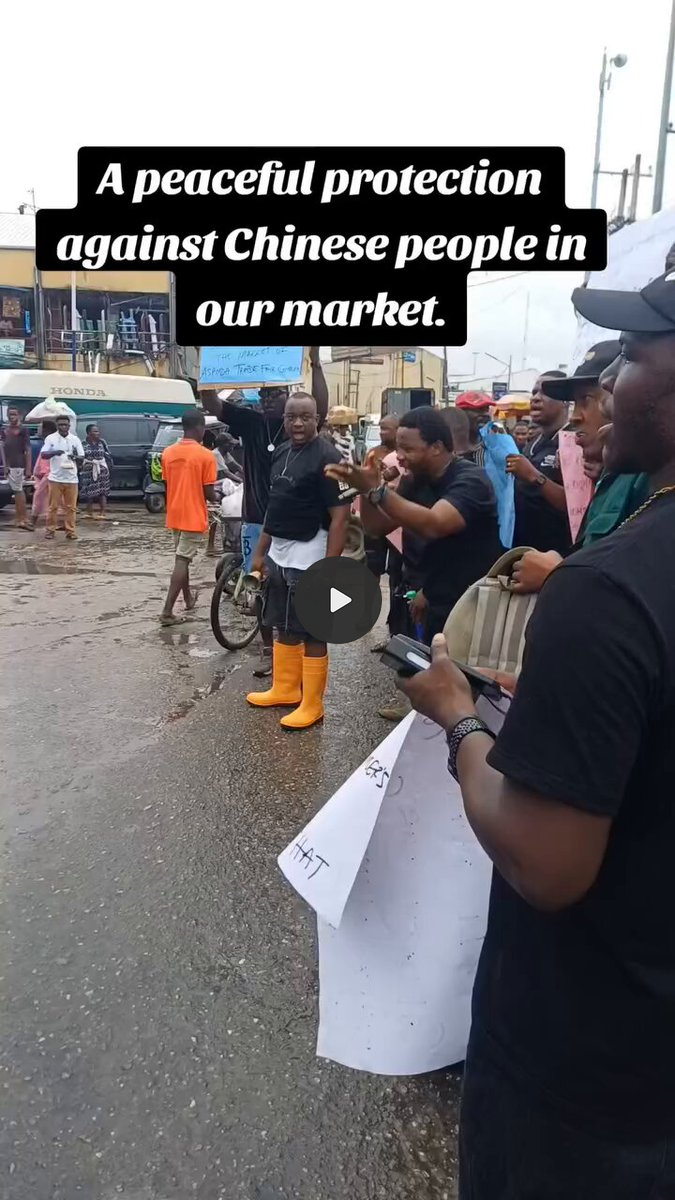
On Tuesday, we experienced déjà vu. Traders in a popular market lifted cardboards and demanded that foreigners be removed and deported back to their home countries. The broad claim of the rioters was that the foreigners were stealing some of their clients. “We cannot compete with you,” one of the leaders of the group said, standing in front of a store owned by a foreigner. “Our people are no more selling. You are the one selling. You go to our customers; you convince them to buy from you…If you import another one, what you will see, you will not like it.”

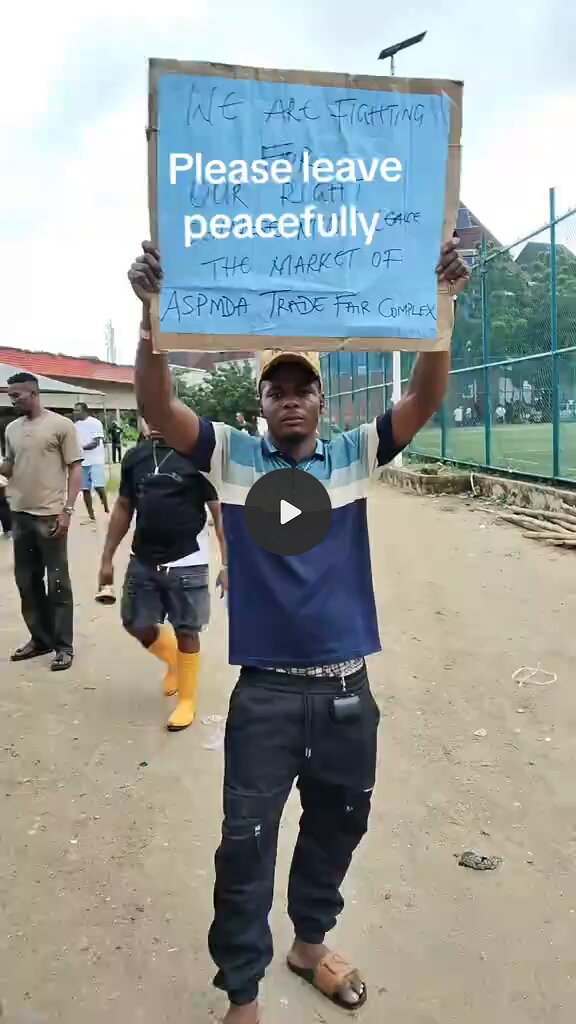
This time, the incident didn’t take place in South Africa, and the foreigners are not Nigerians. They are Chinese, and it’s Nigerians who are clamouring for them to be expelled. Videos of the riots in ASPAMDA, the largest auto spare parts and machinery market in the country nestled at Trade Fair, sent shockwaves across social media. If at all anyone knows what this tiny riot could lead to, it should be Nigerians.
What has metastasised into the xenophobic attacks against Nigerians in South Africa, with a death toll of at least seven Nigerians, didn’t begin this year. It started—as these things tend to do—as an underground movement fueled by perceived unfairness. It didn’t begin as the foreigners have it better than we do and so they must leave. Rather, in the late 1990s, after the overthrow of the apartheid system, rioters began to demand migrants be removed from the country.
“In December 1994 and January 1995, armed youth gangs in Alexandra Township outside of Johannesburg, Gauteng Province, destroyed the homes and property of suspected undocumented migrants and marched the individuals down to the local police station where they demanded that the foreigners be forcibly and immediately removed,” an account published in the digital archive South African History recounts.
By 2015, after the longtime Zulu King, Goodwill Zwelithini, demanded that “foreigners should go back to their home countries because they are changing the nature of South African society with their goods and enjoying wealth that should have been for local people,” a series of xenophobic attacks was reported.
In 2026, it has become controversial to speak against xenophobia in the country, as it has integrated itself into the social fabric of society, by so doing becoming a most South African nationalist movement.
The agitators who stormed the stores owned by Chinese nationals in ASPAMDA see commonalities with those who heeded the call of the Zulu king at the time. They both claim to be fighting a nationalist fight to protect the interests of citizens. They both are fighting this fight flanked by a mob eager to be let loose. But unlike in South Africa, there remains ample time to cast them out of our ranks before they give their call the sheen of nationalism—the foreigners have it better than we do in our country because they are sinister operators, and so we must defend ourselves from them by expelling them from the country.
It matters less what the rioters say, whether or not they like the Chinese or want to do business with them in the future. Those who violently sought and seek to forcibly remove Nigerians from South Africa have professed similar claims of no ill will or ill intent, yet have continued their rampage, even after people were murdered. Perhaps because people were murdered.
Foreigners present a useful scapegoat for this crowd; disgruntled by their inability to compete in a fiercely competitive market, they decide to seek out punching bags to blame.
This would have been a more delicate matter if there were a Chinese monopoly of the auto spare parts market, the way one might uncharitably argue there is a Lebanese monopoly in the upscale restaurant world in Lagos. Nonetheless, it should never result in the expulsion of foreign nationals.
But this particular argument falls flat on its face for many reasons. Chief among them is that the rioters, some of whom are also traders, like the Chinese, import their goods from China, the home country of the people whom they now demand be deported. Their Chinese visas being revoked could have dire effects on their business. A huge chunk of not just spare parts imports but Nigerian imports writ large comes from China.
According to World Trade Organisation and United Nations Comtrade data, in 2024, China accounted for about 23.3% of Nigeria’s total merchandise imports. This made up some $9.57 billion worth of goods out of $40.97 billion in total imports. It is a second home to many Nigerians running import-heavy businesses.

For a country whose leaders have woefully failed to quell the xenophobia targeted at its people in South Africa and elsewhere, we are ill-equipped to begin this war with China, which is currently in a tariff war with the United States.
A thriving economy is one where people from far and wide can come to trade. When trade flourishes, the community flourishes. Goods are in abundance and needs are met. A spare parts industry where more Nigerians can afford auto parts bodes well for Nigeria. More people will fix their brakes, change their tyres, reducing both road rage and road accidents. This can only happen if we incentivise people to stay in the country, set down roots, and make long-term investments.
There are real problems with the state of the Nigerian economy, and this has dramatically hampered the purchasing power of the Nigerian public. If anything, cheaper goods offer a cushion for our fellow countrymen at a time of great scarcity. Screaming “Chinese must go,” the way we once screamed not too long ago, “Ghana must go,” will only push us further into scarcity.


Yesterday, the police were on the scene to quell the agitation. A representative of the police commissioner for Lagos, CP Fatai, told the press the riot was the “handiwork of a few disgruntled fellows in the market, and arrests have been made.”
We may have won today. But it was only day one.
