


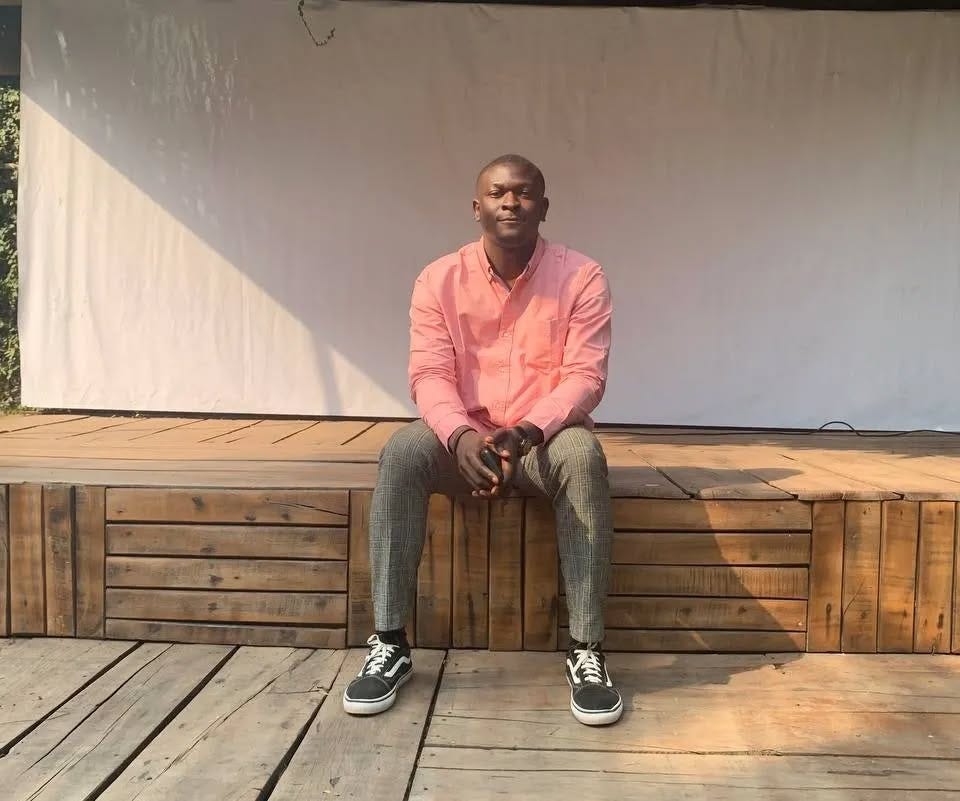
Pelumi Salako filed into the hall with all the other guys. Finally, he too was in university, and a campus journalist. The occasion is the Union of Campus Journalists (or the UCJ) congress.
How to Become a Journalist
He didn’t get accepted into university immediately after secondary school. By the time he resumed at the University of Ilorin, he had already turned 22. He studied History and International Relations. But in the years he spent waiting, he found a community of writers on the internet, and a hunger to be part of them.
In those days, he wrote poetry that he published in Agbowo, Palette Poetry. He also wrote essays at the time, but he didn’t publish them. But after a campus journalist at the University of Ibadan, Kunle Adebajo, was rusticated for a story he wrote, Pelumi began to pay closer attention to journalism. “He was a trailblazer, writing all these impactful stories and essays about the University of Ibadan campus,” Pelumi said.
The president of the UCJ was speaking about the stories they would cover that week. The editor-in-chief was also present. There was a sports editor, a group of copy editors, sub-editors. All of them students. All of them bursting with ambition.
Getting Your First International Byline
After members of the UCJ graduated, they mostly joined newsrooms. Pelumi wanted that. So at the peak of the pandemic and an ongoing ASUU strike, he started sending pitches to editors across the country. None got back to him. Frustrated, he decided to cast his net wider. He spoke to students who had been affected by the strike, wrote the draft of his story, and sent it to Sahelien, a website that focuses on stories from the Sahel. “I had read some stories some Nigerians and Ghanaians had published, and so I just thought, why not try,” he said. “At that point, I was not even thinking of getting paid.”
The founder, Joe Penney liked his draft and commissioned it. But they felt it was missing a voice. So they asked him to speak to one more person, tweaked the structure, and published it. He netted $300 from the gig.
Expanding Your Pool of Publications
Next up was Al Jazeera. He sent a pitch about the ASUU strike to Sumayya Ismail, the African editor at the Qatari state media. But the focus was different this time. He didn’t tell the stories of the lives of students whose education had been stunted, or the lecturers who were being owed salaries. Instead, he focused on the people that made up the school community—the vendors that worked at the stalls that dot campuses across the country. He pitched the story in 2020, but it was not until May 2021 that it was finally published.
It went through more rounds of editing and fact-checking, and processing. “It didn’t feel rigorous,” he said.
By the time he returned to school after the strike, he knew that he wanted to do more freelance journalism work for international media. “I thought, well, two stories. Now, I guess I could really do this thing,” he said.
How to Write a Good Draft
It’s been five years now, and Pelumi’s byline has become familiar in international media news stories on Nigeria: fuel scarcity, conflict in the North, protests, economic decline. After years on the grind, how would he describe a decent draft?
“Honestly, I think a decent draft is when you have all the voices and data you need for the story. Good writing, craftsmanship is very important. But what is your good writing going to do if you don’t have the voices that you need?” he said.
“I think it’s why some people say great writers are not necessarily great reporters. The point is you might be a great writer but not necessarily a great reporter.”
How Much Freelance Reporters Are Paid for Major Stories
Pelumi has worked on some heavily reported stories, including on insecurity in the North. But like many people who work in media, he is tight-lipped about how much journalists are paid for those kinds of stories.
He won’t allow even an estimate. So I asked him how much he thought the journalists who worked on the 2022 investigation into a secret mass abortion programme by the Nigerian government would have been paid for that story. “It depends on the newsroom,” he said again.
How to Write the Perfect Pitch
There are only a handful of journalists who get commissioned as frequently as Pelumi, working fully as a freelance journalist in Nigeria. What rare minerals does he lace his pitches with that allow these editors to keep coming back for more?
“The perfect pitch is the one that communicates what the story is about, the impact of the story, who or what the story affects, and how you intend to tell the story without mincing words,” he said.
“It tells the editor everything they need to know without them having to scramble around for stuff, using a very tight word limit, like maybe 200, 300 words. They set the right context, tell you what is happening, why it’s happening, and why the story is important.”
After his first experience with Sahelien, he learnt that sending the draft as part of the pitch is ill-advised, and many of these editors would frown it. “They like to be involved in the ideating process. You might want to tell the story your way, but the editor might have a different angle for the story. Angles matter—maybe they want to tell it in a way that is more unique.”
But he says speaking to people before you send the pitch is still very useful. For him, it could offer more context for your pitch to the editor.
How to Stay on the Radar of Editors
He has also stayed active all the years by cultivating relationships with editors and leaning into his community of journalists. “There is a community of journalists who are also working freelance for international newsrooms in Nigeria. You can always talk to them. Ask people for emails and reach out to editors on Twitter or LinkedIn.”
He also says that he sometimes goes further and reaches out to an editor even when he doesn’t have a story to report on. His formula for this is when an editor gets a new role. “Editors are humans as well. You can send an email to congratulate them on their role and introduce yourself and the work that you have done.”
What to Do When You Don’t Get Commissioned
At his peak, he said that he could be juggling six stories at a time. But even for Pelumi, work dries up—especially in summer when editors, like the rest of us, decide to go on break. Many newsrooms are slimmer at this time, and commissioning is reduced. During these dry spells, he said he reads the work of other journalists. But more recently, he has taken up ghostwriting.
It wasn’t something he had planned, but a “big man” wanted to write a profile of his achievements, and someone recommended him for the job. He has also written speeches and been commissioned to write for NGOs.
He tries to put himself on a salary and not go over his budget. He has a budget for groceries, rent, other bills, and black tax. He rarely falls sick and so is not on any health insurance plan. But he does worry about the future. “It’s the uncertainty that really fucks it all up,” he said.
Planning for the Future? Upskill
With huge budget cuts to newsrooms, commissioning is not what it once was in 2020.
“I don’t think I want to continue freelancing for much longer,” he said. “I started applying for jobs at the start of the year. The truth is that most newsrooms are not commissioning as much as they used to, and that is not good news for you as a freelancer.”
He is also trying to get a literary agent and is working on the proposal for a book. Being a published author increases the chances of getting commissioned because it increases the chances of getting an agent.
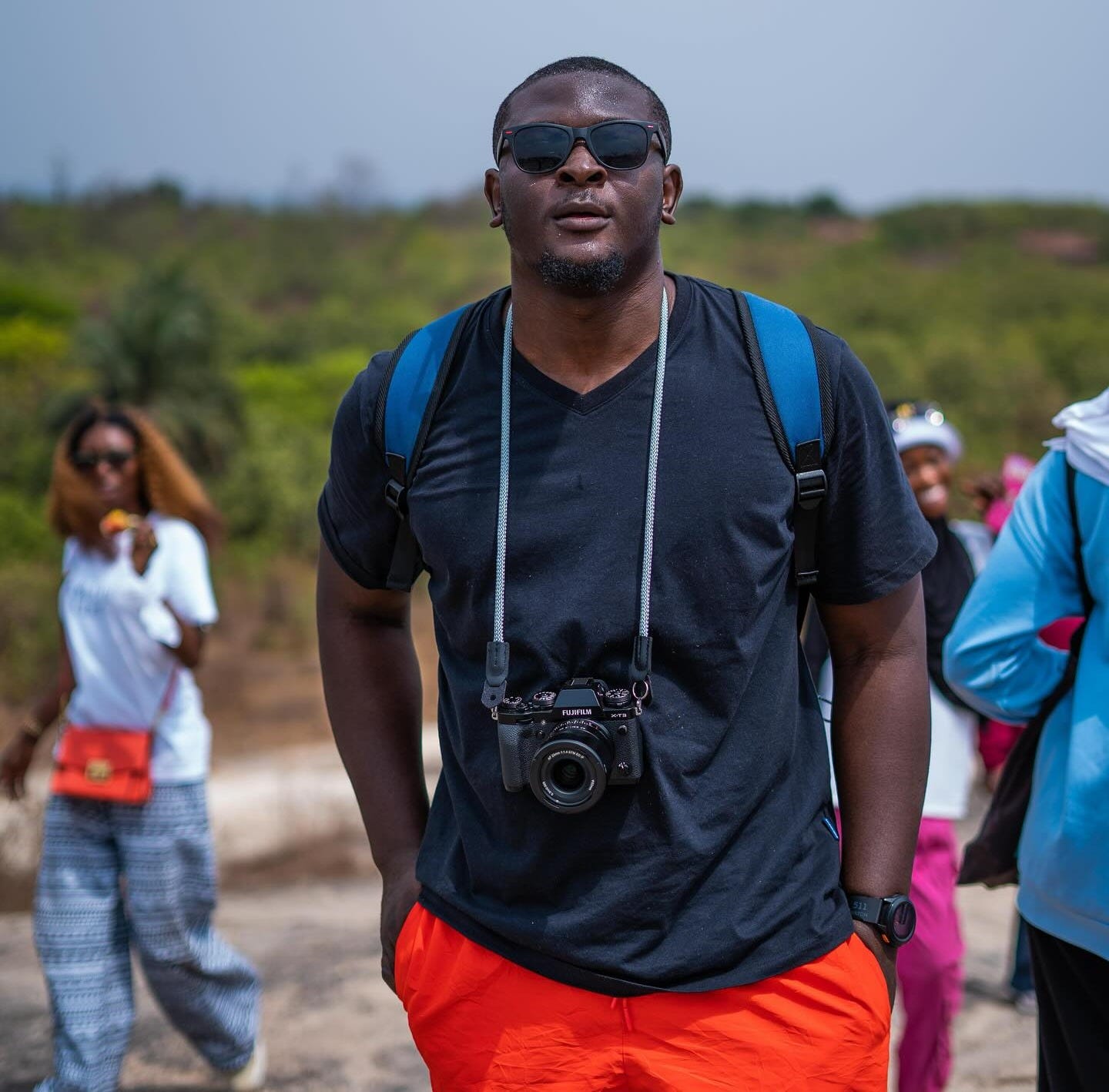
Last year, he started using photos he took in his stories. It is a skill he had been honing way back, but has rediscovered recently. He has added it to his offering as a freelancer. He also wants to do work with audio—a podcast or radio.
“What I’ve learnt is that it would be better if you could combine multiple skills. Don’t stop as a tech journalist or a writer. If you have a good eye for photos or you can work in podcasting, try it,” he said.
“The world is becoming multimedia. Journalism will always need great writers, but also if you’re working freelance in a climate where you don’t have opportunities all year, you have to upskill. One skill is not enough.”
When we started talking, he had been working on the statement of purpose for an application for graduate school. He has not finalised his decision yet, but he is considering an MA in Journalism.
“This is part of upskilling and not remaining in one spot and trying not to get left behind. I just want to get really better at it.”
FOOTNOTE: This essay is part of the Afro Adulting #Freeelance issue. Also read other essays from the issue below:

Well done. Just subscribed.
This is such a good read, Dennis