


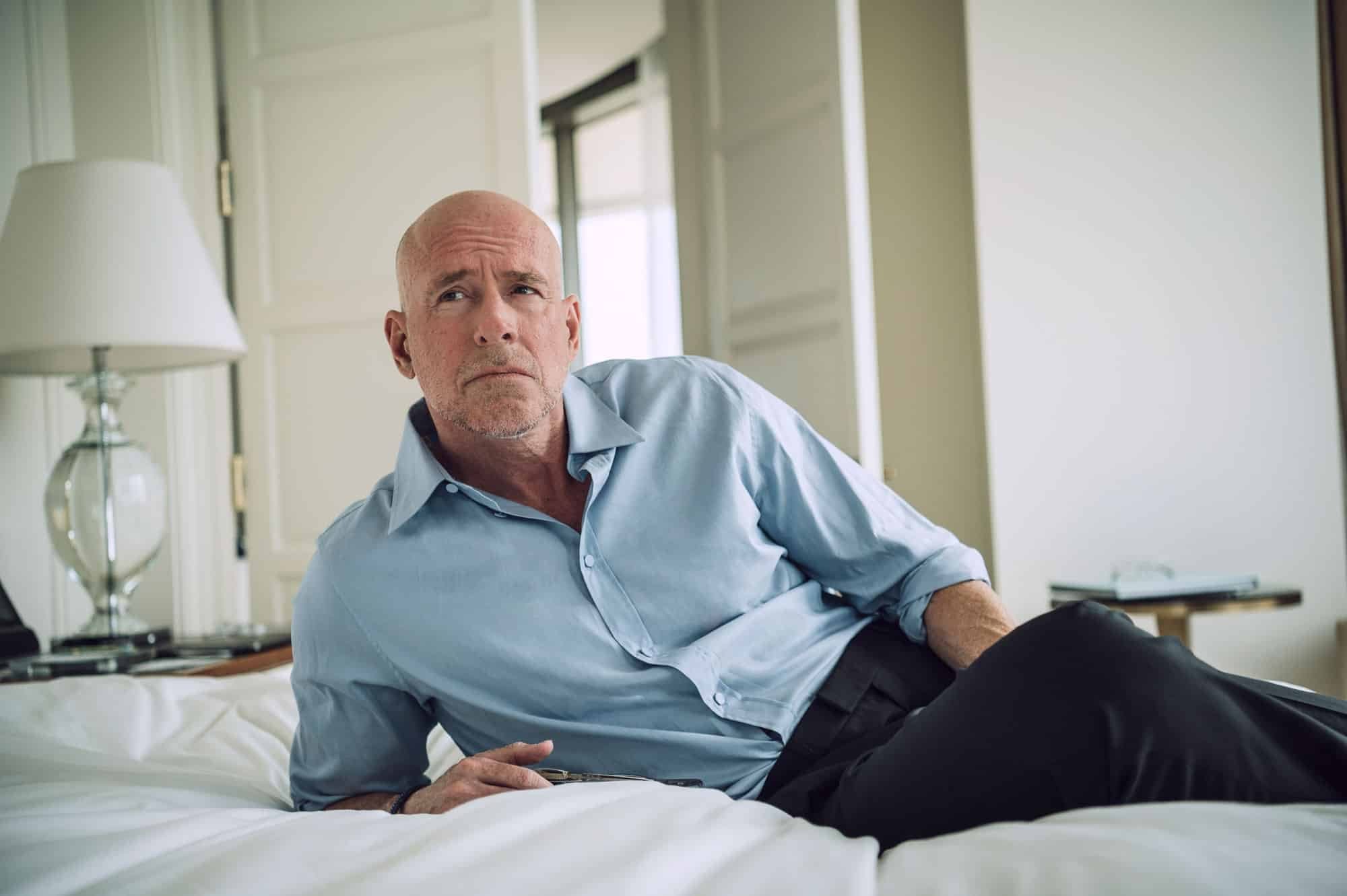
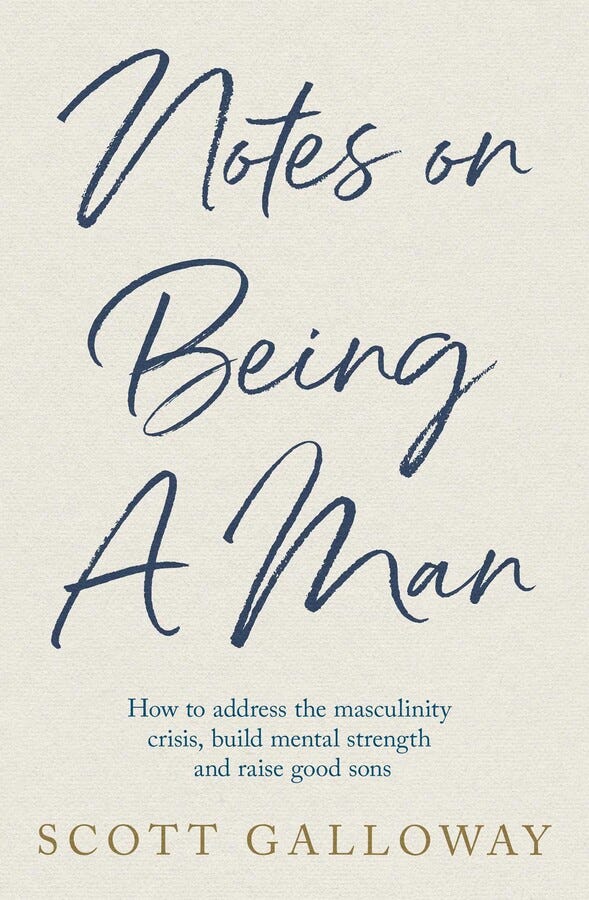
So much has been said about the state of masculinity: the decline of male friendships, suicide rate, loneliness, violence. But how did we get here, and how can we fix this?
In Notes on Being a Man, Scott Galloway offers practical pathways forward, making the case that it is imperative for society to rally around young men at this time to fix the problem.
He does this by telling his own story as a boy. When he was nine, his parents, both immigrants in America, went through a divorce, and his father, George Thomas Galloway, took most of everything. There were no custody laws in parts of the US at the time, and so his father automatically had custody of him and insisted that he wanted to. Scott was made to believe his mother had gone on a solo trip.
But after a few weeks, he later learnt that George had called his mother to come get Scott. Later, George got a better job and moved away from California, where they lived. In the early days of the divorce, his father paid $200 in child support. He didn’t pay any alimony. Ultimately, George stopped paying anything, and Scott, his son, had to ask for the money. Very harshly, George told Scott he wasn’t paying it anymore. And he didn’t.
Notes on Being a Man is the story of how the stern school professor, the famous podcaster and serial entrepreneur Scott Galloway, became the man we have come to know today. His rise as a bright kid to his fall into depression as a teenager. But it’s also the story of another Galloway boy, George Thomas Galloway, representative of the modern crisis in masculinity, while offering a full picture of how society took him to a place where seemingly abandoning his son, leaving his own family in penury and never looking back, while he lived in relative luxury, was an option—something he did with pride, even.
Scott offers a damning indictment of society’s failure to raise men right. As a child, in the pitch dark of night, his father would sneak into golf courses with him in tow. When he was eventually caught, as Scott tells us, George would break into an Irish accent and immediately become friends with the security guard. What was a break-in became another episode of boys being boys, not minding that the boy in question was a man with his son.
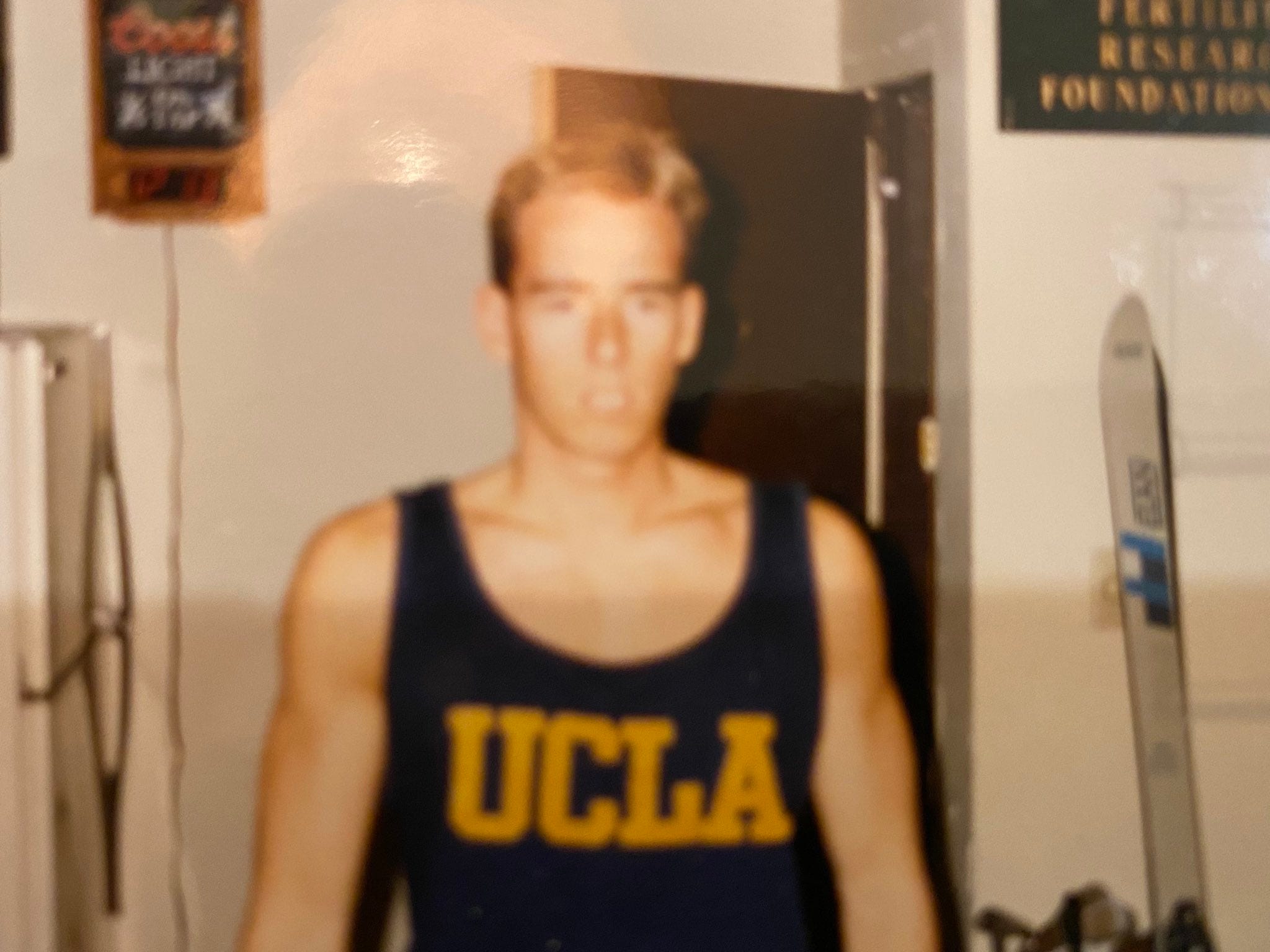
Long before George concluded that only his needs mattered, he had his own fair share of cruelty from people whose duty it was to protect him.
Fathers rejecting sons is not new. But this unflinching, unabashed book offers an honest perspective on the father wound that is left in its trail. George himself had been a victim of this. “Pulled out of school in Scotland at thirteen to work as a messenger for maybe three shillings a week, he was unsophisticated,” Scott writes in the book. It’s the kind of rough start that becomes credentials we’ve had to tough…too.
But George had promise and a jawline, and so his prospects of mates were high. If he were a young man in 2025, he would have been a high-value man. As Scott describes it in the book, law enforcement officers could have found his father lying on a corpse and still allowed George to leave the scene of the murder, not even suspected of being responsible.
I have heard Scott talk about his father before, and how he cancelled himself from Scott’s life while he lived a middle-class life with his new family. I just hadn’t heard the lengths to which George went. In large part because, in the final days of his life, Scott had decided to forge a close relationship with him and regularly sent him money, which his father gladly collected. He spoke about his father like they were friends, but as we see in this book, it was the life he wanted to have with his father, and so he worked at it.
My own father is not perfect. He has his flaws, a trailer load of them, many of which he has been unable to confront. But like the senior Galloway, he was a better father and man than anything his father was. Unlike me, whose father showed up on visiting days in my expensive Lagos boarding school, he worked extra hard to pay for, and whose father stood by him at every major life milestone, I allowed him to be a part of, he went through life mostly without a father. The story of Scott, in so many ways, mirrors his life.
The son of a wealthy industrialist, after his separation from his first wife, he abandoned the two children he already had, including my father, his first. He was light-skinned and rich and had endless options of mates and was convinced it was the duty of his children to love him and take whatever little of his time and affection he would offer them. He gave none in return.
Later, he published in the newspaper that he had disowned one of them who didn’t care to show him the love they had not received from him. My father couldn’t stop begging to be loved by his father, and my grandfather couldn’t deal with that shit. He had more women to conquer.
When I grew older and found books and deep introspection, I became increasingly angry at the absentee father pandemic, so many men in their youth abandon their children and never look back. But even worse is how our society blames the new wives or so-called stepmoms for the father’s neglect of his children. This, I must add, is not the case in every scenario. But in doing this, by refusing to hold the legs of fathers to the fire, we completely fail men. We grow up detached and selfish, thinking only about ourselves.
Finding the work that Scott does for young men and being more informed brought me to society’s contribution to this and its ultimate responsibility to fix this. It was why I decided to restart Afro Adulting in this current iteration.
If I were any of these men whose fathers lived in luxury while I lived dirt poor, I don’t think I would have it in me to mend the relationship like Scott did and like my father did. But life is different when your soul is scarred by the father wound from when you have a loving daddy like mine. Your options are different.
Scott writes that men are born in the driver’s seat and get so used to driving that they forget they are driving. We have testosterone that some researchers have argued is responsible for masculine traits: the urge to want to provide and protect, and reproduce and be aggressive, courageous and brave. But he cautions that testosterone can also be what fuels bullying, violence, emotional detachment, rage, competitiveness, and other traits common in men.
Embrace the latter traits too tightly, and peace becomes impossible. With so much anger to go around, many fall on our sons. Sometimes we see them as the competition. In my grandfather’s case, I never knew why he was so mean to his children. I’m not sure he saw them as competition. I had no relationship with him, and when he died, I didn’t attend his funeral. But in his last years, he made attempts at mending the relationship and called his son more often, especially when he needed financial favours. His son, a man with his own family, always melted at the sound of his father’s voice and made sure to send what he could. In those days, I was not sure if he had truly realised what he had done and the father wound he had created, but he did publish in the papers that he had accepted his children back—only when they were able to send him money.
Nonetheless, at the very end of his days, when nothing was in it for him, and he finally could sit down and stare at the life he had lived, I think he finally saw the errors of his ways. One of the last things he did was write a letter to his son. I didn’t read it, but I understand he apologised for his neglect. For Daddy, that was more than enough.
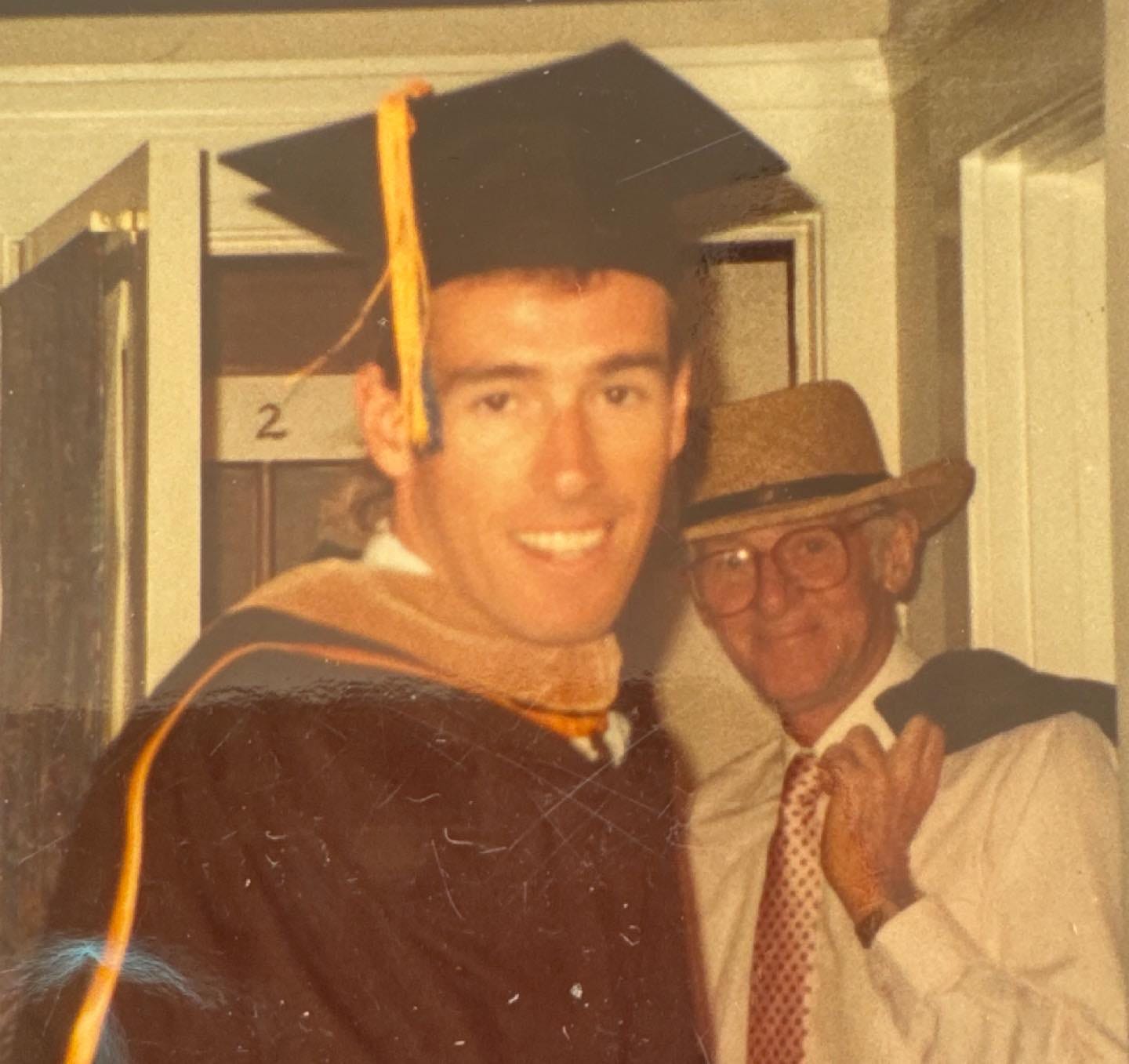
It might be too late for some of us already. But for those of us who can, please consider choosing your family—the one that loves you.
FOOTNOTE: This essay is part of the Afro Adulting The Life You Want issue. Also read other essays from the issue below:


